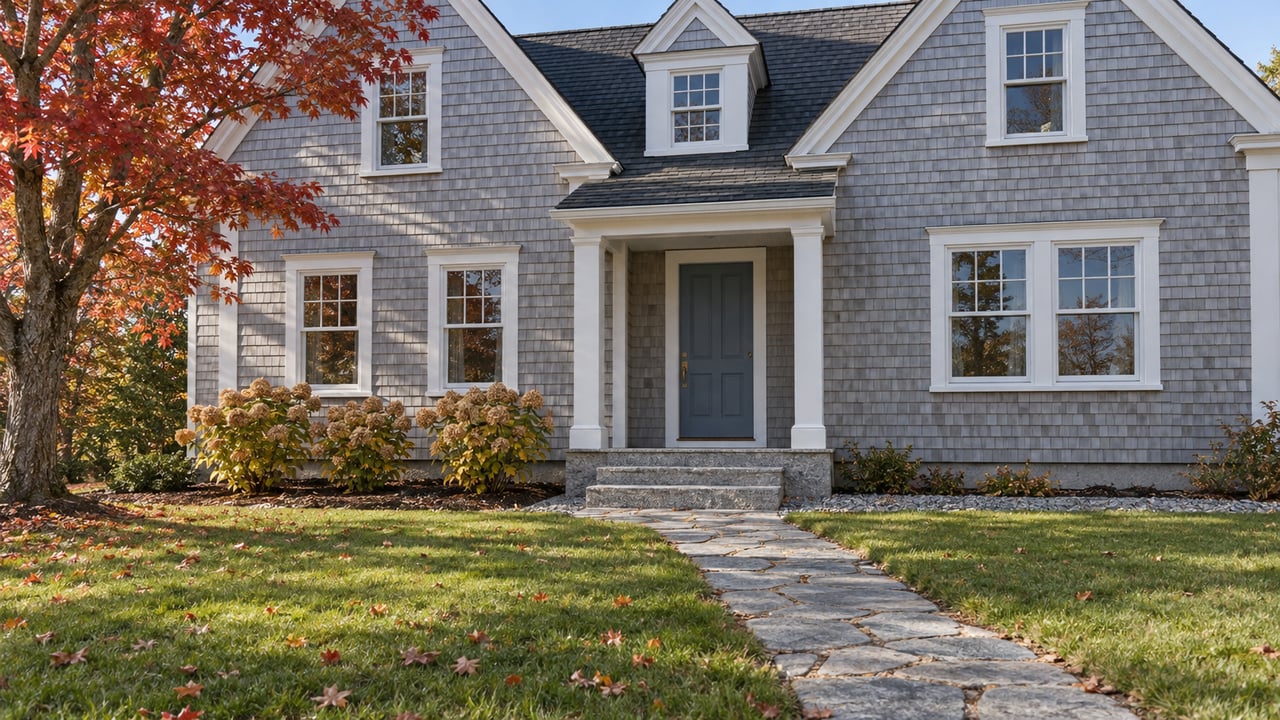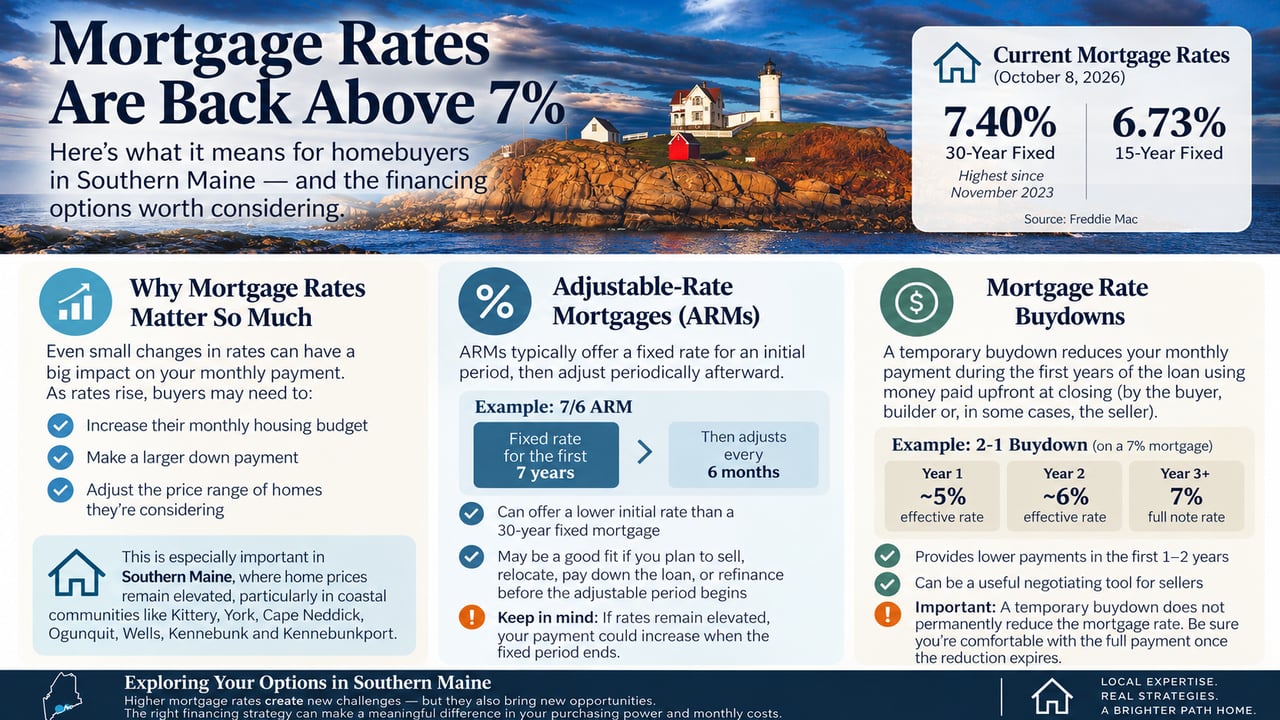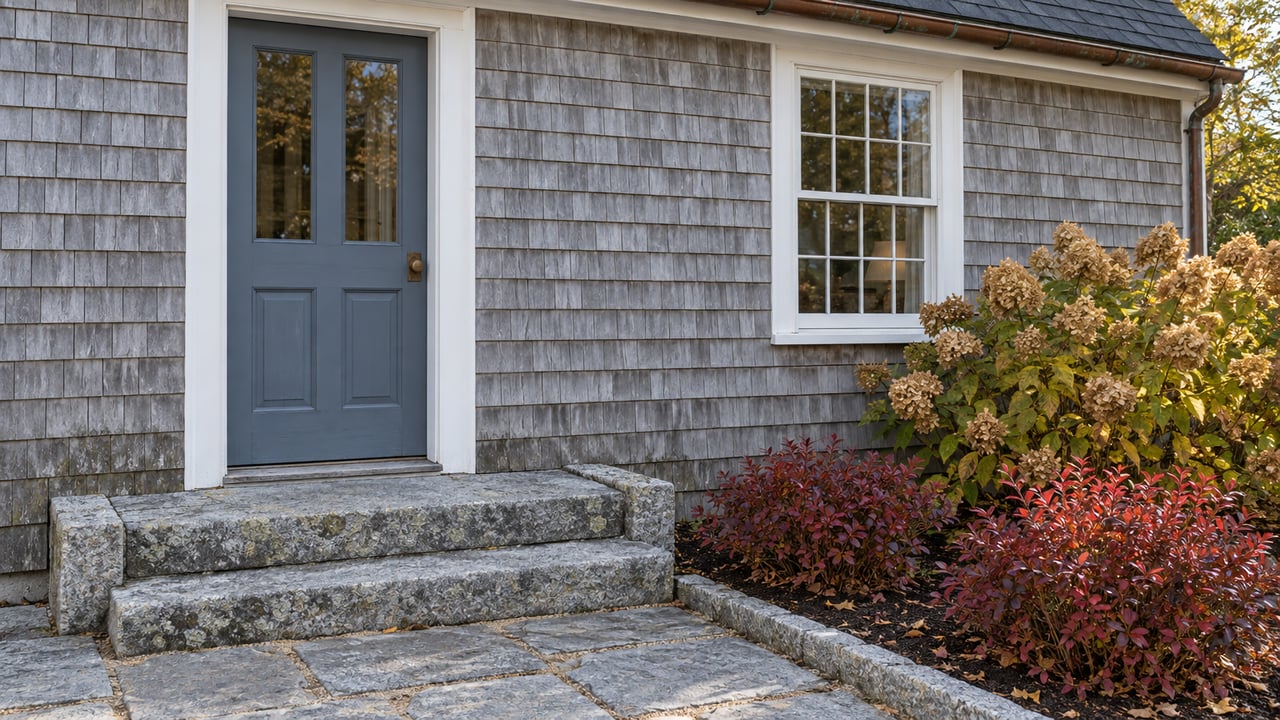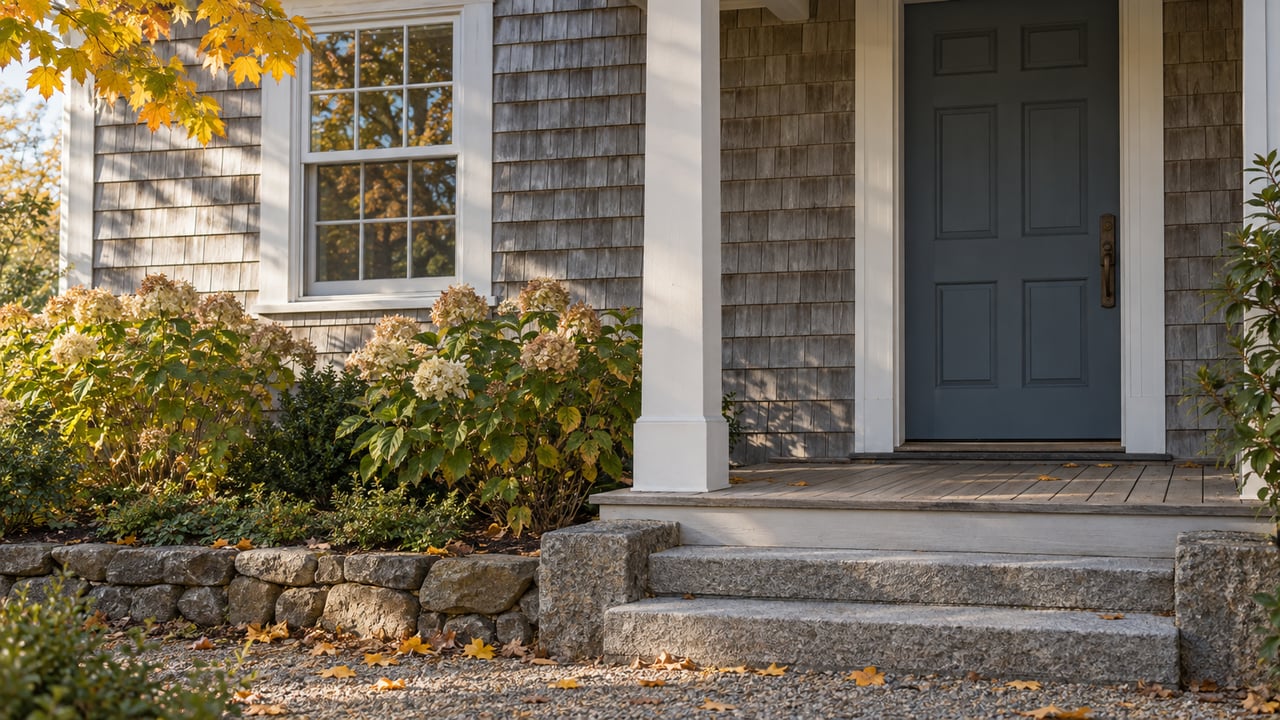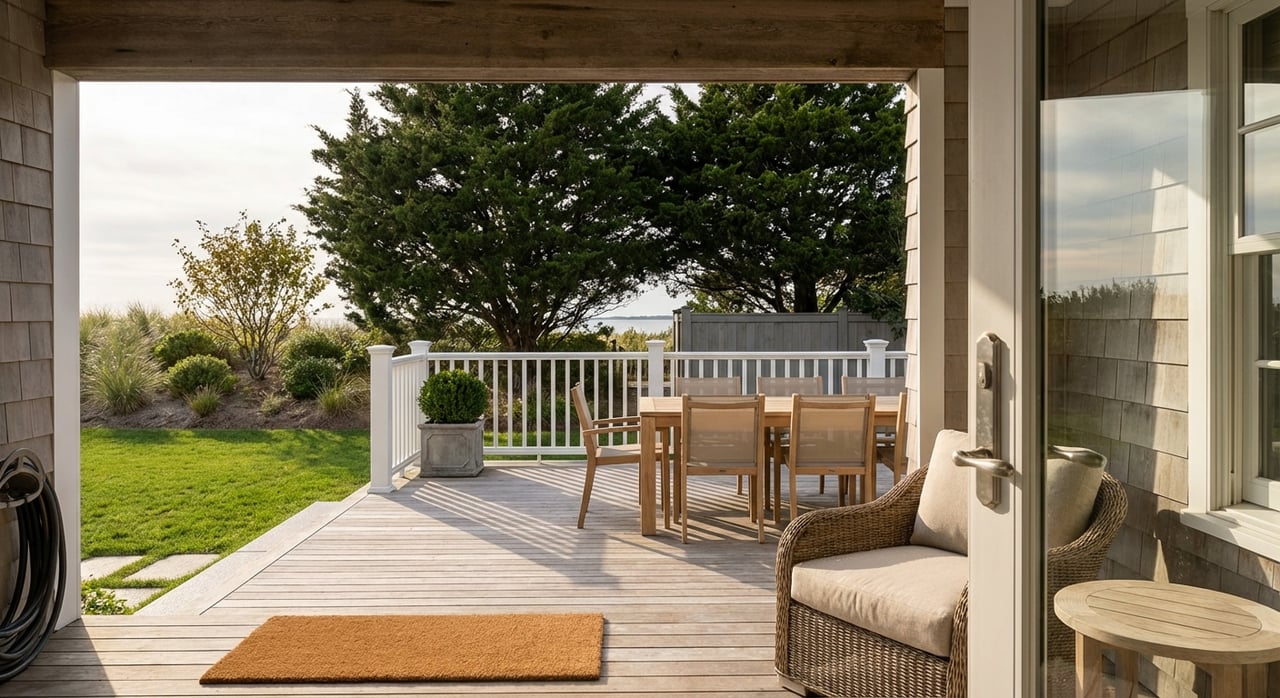
Thinking about listing your York Harbor or York Beach home this year? Selling on the coast is different, and the details matter. With the right timing, disclosures, and prep, you can attract qualified buyers and reach the closing table with fewer surprises. This guide walks you through the York specifics so you can price, prepare, and market with confidence. Let’s dive in.
Know the York coastal market
York’s waterfront and near-water properties command premium attention within Southern Maine. Buyer pools often include year-round residents, second-home buyers from Greater Boston and New Hampshire, and investors considering rental potential. Across those groups, priorities tend to cluster around water access, view, privacy, condition, and long-term insurability.
Timing matters. National research shows a strong spring window, with activity staying robust into summer for waterfront properties as buyers plan seasonal occupancy. NAR’s staging and presentation research also underscores how well-prepped homes draw more attention and can shorten days on market.
For valuation, insist on a local CMA that compares like-with-like water types. Oceanfront performs differently than harbor view or inland shorefront. A precise read on view corridor, access rights, and flood designations will help you set a price that reflects true market position.
Get your required paperwork in order
Maine seller disclosures
Maine requires a written property disclosure for residential transfers. You must disclose water supply, waste-disposal or septic details, known hazardous materials, and whether the property is in a FEMA-mapped flood hazard area. Review the statute and begin assembling documentation early using Maine Title 33 §173.
What to gather now:
- Water source details and any recent water test results.
- Septic system records and service history.
- Known environmental issues, if any.
- The FEMA flood zone and relevant map panel.
Flood zones and insurability
Flood designation, elevation, and claims history can influence buyer comfort and insurance costs. Pull your official FEMA Flood Insurance Rate Map (FIRM) panel and zone from the FEMA Flood Map Service Center. If you have an elevation certificate, include it with your disclosures. For long-term context, the NOAA Sea Level Rise Viewer can help you and buyers visualize planning-level scenarios.
Pro tip: Ask your insurance agent for current premium information and renewal expectations. Buyers appreciate clarity on costs and coverage options.
Shoreland septic and shoreline rules
Septic inspections for shoreland transfers
If your property lies within a shoreland area, Maine law generally requires a certified septic inspection in connection with a sale. Weather exceptions and repair timelines apply if a malfunction is found, which can affect closing dates. Review the shoreland transfer rules and consider a pre-listing inspection to avoid delays under Public Law, LD 216.
Shoreland zoning and waterfront work
Development and repairs within shoreland zones are regulated at the state and town level. Projects like docks, piers, seawalls, dredging, or dune work often require state approvals under Maine’s Natural Resources Protection Act and local permits. Start early and coordinate with qualified contractors, as outlined in Maine DEP’s Shoreland Zoning Program.
Moorings and dock access in York
Moorings, floats, and harbor rules are administered locally. If you plan to advertise a private mooring or float, verify status, transferability, and any waitlist or renewal requirements with the Town. Consult the Town of York’s Harbormaster page to confirm details that could affect value and marketing.
Pre-listing property prep that pays off
Systems and indoor health
Buyers are diligent about septic and water quality on the coast. If you have a private well, provide recent lab reports for bacteria and nitrates, and consider any locally relevant tests noted in disclosure guidance. For septic, gather system records and service receipts, and address any known issues proactively under Title 33 §173.
Fight salt air wear
Coastal exposure accelerates corrosion and paint failure. Small fixes make a big impression: replace corroded deck and railing fasteners with marine-grade hardware, service HVAC condensers, touch up exterior paint, and check flashings and storm windows. For an overview of salt-air impacts on roofs and metal elements, see this practical explainer on coastal air and roof durability.
Shoreline structures and erosion control
If your property includes a seawall, bulkhead, revetment, groin, or dune nourishment, gather proof of ownership, prior permits, and maintenance or engineering reports. Significant repairs or replacements may require state and local approvals. Learn how these projects are regulated under Maine’s shoreline and NRPA framework.
Presentation that sells a shoreline lifestyle
Photography and aerials
High-quality images are essential for York Harbor, Long Sands, and York Beach listings. Schedule photography when the exterior shines and the water is at its best. If you want drone footage, hire a properly certified operator who complies with FAA Part 107 commercial drone rules.
Staging the rooms that matter
Declutter, deep clean, and let the views lead. Focus staging on the living room, kitchen, and the primary suite, and set inviting outdoor scenes on decks and porches. NAR’s research on presentation and staging shows that well-prepped homes attract more buyers and can help reduce time on market.
Verify every waterfront claim
If you plan to advertise mooring rights, deeded beach access, flood elevation, or recent shore work, verify and document each claim. Assemble these items before launch:
- Title, plat, or recorded easement showing beach or path access.
- Mooring permit and Harbormaster confirmation for transferability or waitlist status. Start with the Town’s Harbormaster resources.
- FEMA FIRM panel and any elevation certificate from the Flood Map Service Center.
- Septic and well records, plus any required shoreland septic inspection results.
- Permits and engineering for seawalls, docks, or shoreline work.
A practical York timeline
- 6 to 8+ weeks out: Gather deed, plats, septic and well records, and prior permits. If you are in a shoreland zone, schedule a certified septic inspection and consult on any shoreline structures. Review disclosure requirements under Title 33 §173.
- 3 to 5 weeks out: Complete minor exterior and deck repairs, touch up paint, service HVAC, and tidy landscaping. Book a photographer for clear-day and twilight slots, and plan for aerials if appropriate under FAA Part 107.
- 1 to 2 weeks out: Finalize photos and floor plans, verify every waterfront-related claim, and compile your disclosure packet with the FIRM panel if in a special flood hazard area.
- Launch week: List midweek to capture early interest. Lead your description with view and access type, and be transparent about coastal systems, flood info, and recent maintenance.
Selling a coastal home in York is about clarity and confidence. When you align timing, paperwork, and presentation, you give buyers the information they need and protect your negotiating power. If you would like a customized game plan and valuation tailored to your shoreline location, connect with the coastal specialists at Great Seacoast Home to Request a Personalized Home Valuation.
FAQs
When is the best time to list a York coastal home?
- Late spring into early summer typically sees strong activity on the waterfront, with timing calibrated to showcase exteriors and capture seasonal buyers.
Do I need a septic inspection to sell near the shore in York?
- If the property is within a shoreland area, Maine law generally requires a certified septic inspection in connection with the sale, with specific timelines if issues are found.
How do I confirm my flood zone before listing?
- Look up your official FIRM panel and zone at FEMA’s Flood Map Service Center and include that documentation, plus any elevation certificate, in your disclosure packet.
Can I advertise a private mooring with my home?
- Verify status, transferability, and any waitlist or renewal requirements with the Town of York Harbormaster before advertising mooring access.
Is drone photography allowed for my listing?
- Yes, but use a properly certified operator who follows FAA Part 107 rules for commercial drone work to keep your marketing compliant.