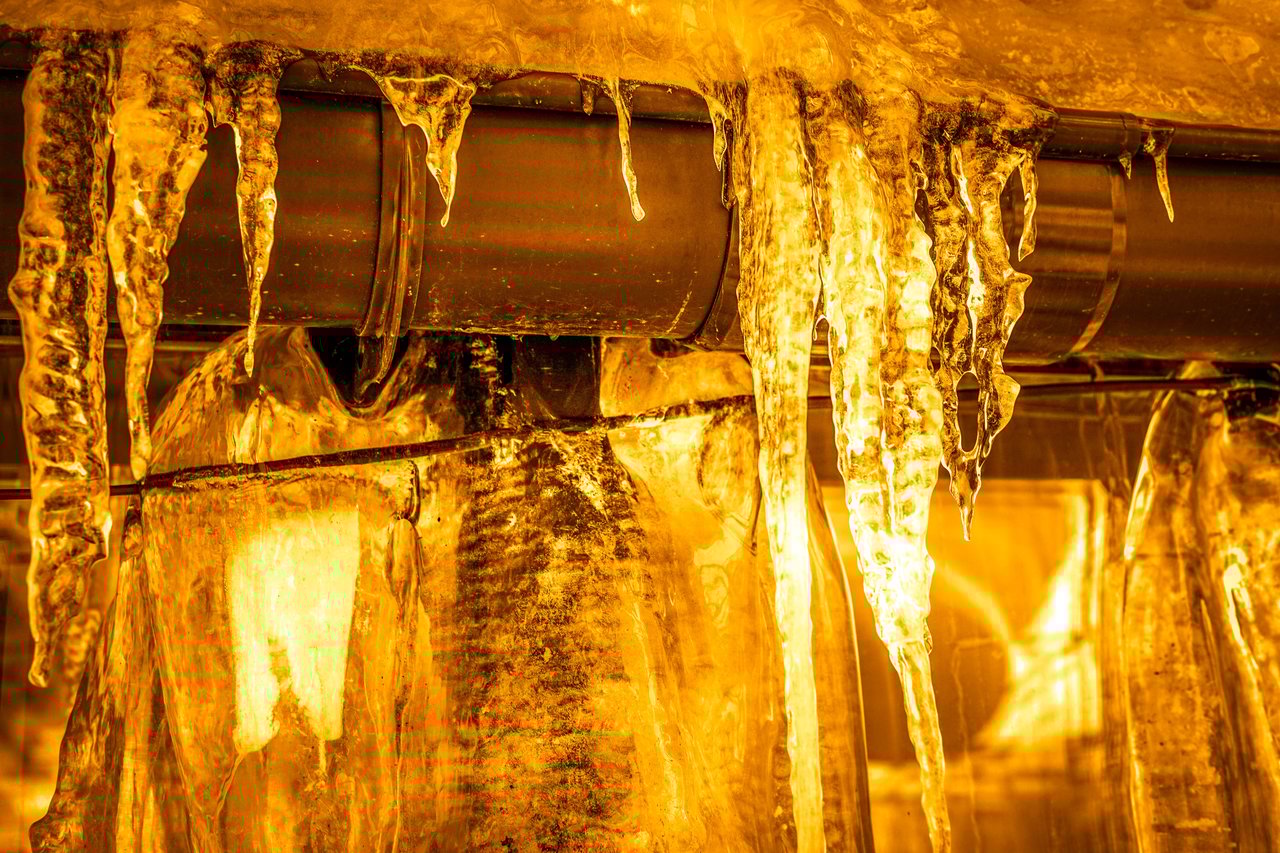
In Maine’s coastal and luxury markets, winter risk extends well beyond snow and ice. One of the most financially disruptive cold-weather issues is frozen and burst plumbing, particularly in homes that are vacant, seasonally occupied, or between owners.
Estate properties, second homes, winter listings, and residences awaiting closing are disproportionately affected—and the consequences can be severe. Just as important, insurance coverage for frozen-pipe losses is often conditional, not automatic.
Why vacant coastal homes face higher exposure
Frozen pipes typically occur when temperatures drop, and interior heat is insufficient or inconsistent. In coastal Maine, where properties may sit unoccupied for extended periods, even brief lapses in heating or monitoring can lead to catastrophic water damage.
Luxury homes often include expansive plumbing systems, multiple bathrooms, guest wings, and exterior walls exposed to wind and salt air. When pipes freeze and rupture, damage can spread rapidly—often unnoticed until thaw, when water begins flowing freely inside the structure.
The insurance realitythat many owners overlook
Most homeowners' insurance policies impose specific requirements once a property becomes vacant—commonly defined as unoccupied for 30 to 60 consecutive days. At that point, coverage for frozen-pipe damage may be restricted or excluded unless certain safeguards are documented.
Insurers frequently evaluate whether the homeowner took reasonable steps to prevent loss. Claim denials often hinge on preventable conditions rather than the weather itself.
Common underwriting concerns include:
-
Interior heat turned off or set below safe thresholds
-
Water supply left on without winterization
-
Plumbing systems not drained or protected
-
Lack of documented property checks
-
Vacancy not disclosed to the insurance carrier
In high-value coastal homes, even partial coverage limitations can translate into six-figure exposure.
Transaction risk in luxury coastal markets
For sellers, a burst pipe during winter can derail a transaction—triggering emergency remediation, inspection complications, price renegotiation, or closing delays. For estates or trust-owned properties, decision-making and response times may further compound the issue.
For buyers, discovering frozen-pipe damage after closing—only to learn that insurance coverage is limited or denied—can result in significant, unexpected capital outlay. In luxury transactions, this risk is often scrutinized closely by lenders and insurers alike.
Strategic guidance for agents and clients
Experienced Maine agents can materially reduce winter exposure by setting expectations early and encouraging preventative action:
-
Maintain consistent interior heat during vacancy
-
Shut off water and winterize plumbing when appropriate
-
Arrange regular, documented property checks
-
Notify insurers promptly when occupancy status changes
-
Encourage buyers to confirm coverage terms prior to closing
These steps are not merely operational—they are transaction-protective.
A winter reality for coastal Maine luxury real estate
In Maine’s coastal luxury market, frozen pipes are not a minor maintenance issue. They represent a convergence of insurance risk, asset preservation, and transaction timing. Proactive planning, clear communication, and proper documentation help protect property value and ensure smoother winter closings.
Cold weather may be inevitable—but costly surprises don’t have to be.