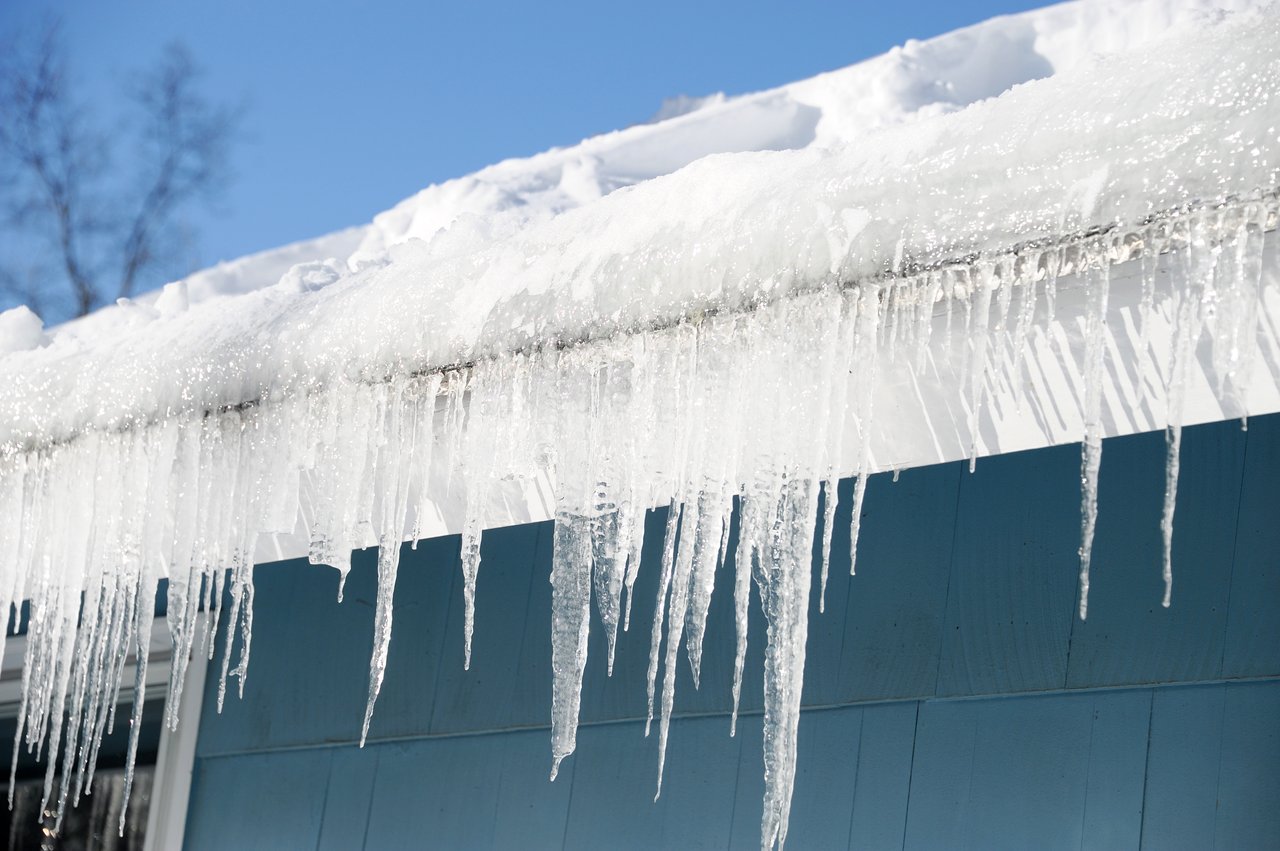
Along Maine’s coastline, winter weather is not simply a seasonal consideration—it is a material factor in the performance, insurability, and long-term value of luxury real estate. Prolonged snow cover, freeze–thaw cycles, salt air, and wind exposure create conditions where ice dams, excessive roof load, and concealed water intrusion can quietly compromise even well-maintained homes.
For waterfront and coastal properties, these risks carry heightened importance due to construction complexity, insurance underwriting standards, and buyer expectations at the upper end of the market.
Ice dams in coastal Maine homes
Ice dams develop when interior heat loss warms the roof surface, melting accumulated snow. As runoff reaches colder roof edges and eaves, it refreezes, forming a dense ice barrier that prevents proper drainage. In coastal Maine—where snow can persist for extended periods—meltwater may be forced beneath shingles, flashing, or ice-and-water shield assemblies.
Luxury homes with complex rooflines, multiple dormers, cathedral ceilings, or expansive eaves are particularly susceptible, even when roofing materials are high-quality.
Why winter water intrusion often goes undetected
One of the most significant risks in coastal luxury transactions is hidden moisture damage. Water intrusion from ice dams frequently occurs behind finished surfaces and may not be visible during winter showings or even standard inspections.
Potential impacts include:
-
Compromised insulation performance
-
Ceiling or wall staining that appears after thaw
-
Damage to custom millwork or interior finishes
-
Conditions that elevate long-term mold risk
Because luxury properties often feature layered assemblies and premium interior materials, remediation costs can escalate quickly if issues are discovered post-closing.
Insurance scrutiny in coastal and waterfront markets
Insurance coverage for ice-dam-related damage is not automatic. Carriers frequently evaluate whether the loss resulted from a sudden event or from ongoing conditions tied to design, insulation, ventilation, or maintenance. In coastal Maine, insurers may apply additional scrutiny due to exposure and claim history.
Underwriting reviews often consider:
-
Roof age, pitch, materials, and architectural complexity
-
Attic insulation levels and ventilation design
-
Prior ice dam or water intrusion history
-
Snow-management and mitigation practices
-
Occupancy and winter heat consistency
For high-value homes, coverage limitations or exclusions can affect not only claims but also buyer financing and closing timelines.
Roof snow load: a parallel concern for high-end homes
Heavy, wind-driven snow and coastal weather patterns can also raise concerns about roof load, particularly for:
-
Flat or low-slope roof sections
-
Older coastal estates with legacy framing
-
Homes with additions or structural modifications
While structural failures are uncommon, excessive snow weight can contribute to leaks, deflection, or stress that becomes evident during inspections or insurance reviews.
Transaction implications for luxury buyers and sellers
In coastal Maine markets, winter-related roof issues can influence pricing strategy, inspection negotiations, and insurability. Sellers may face requests for documentation, mitigation, or credits. Buyers may encounter insurance constraints that must be resolved before closing.
Proactive planning is especially important in off-season or winter transactions, where repair windows are limited and buyer expectations are high.
Strategic risk management for coastal luxury transactions 🏡
Experienced agents and homeowners can help mitigate winter-related risks by:
-
Disclosing known history of ice dams or winter water intrusion
-
Addressing insulation and ventilation performance proactively
-
Implementing professional snow-management protocols
-
Flagging roof design, age, and drainage considerations early
-
Encouraging buyers to confirm insurance terms before contract
-
Documenting winter-risk discussions and recommendations
A refined perspective on winter risk in coastal Maine real estate
In luxury coastal Maine real estate, ice dams and snow load are not maintenance footnotes—they are asset-level considerations that intersect with insurance, inspections, and long-term property stewardship. Clear disclosure, thoughtful preparation, and informed guidance protect value and help ensure smoother transactions, even in the most challenging winter conditions.