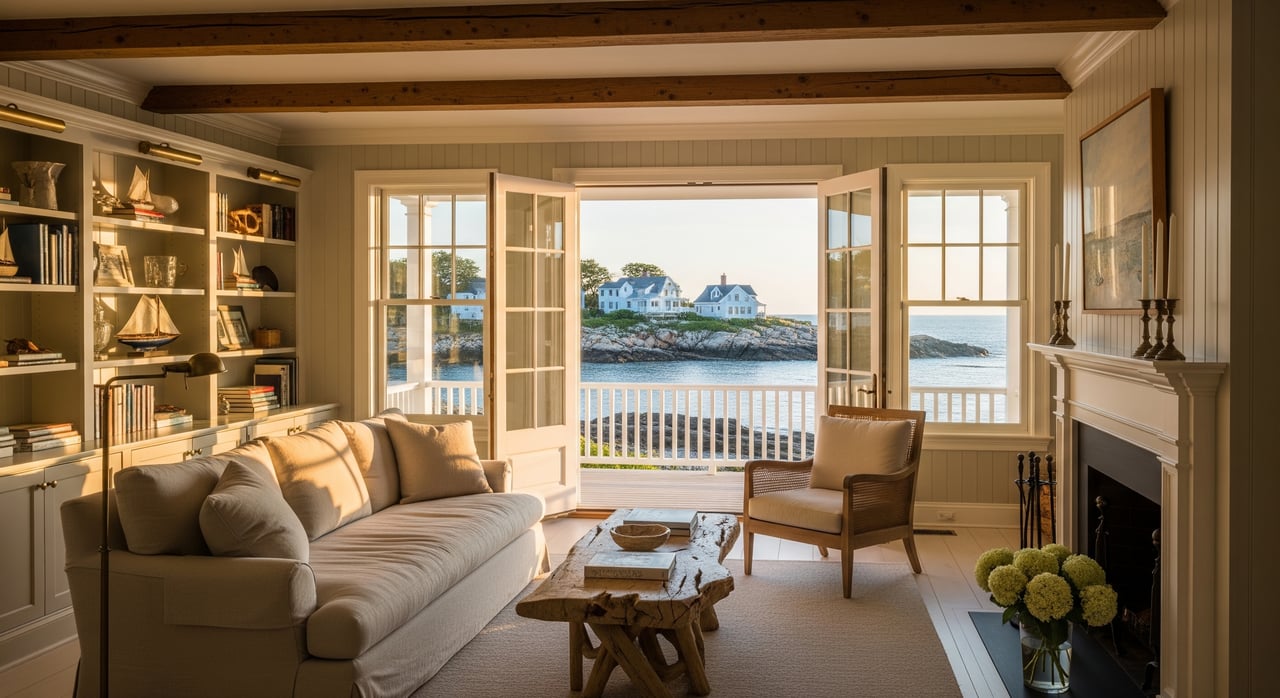
Salt air, shingled roofs, and broad verandas set the tone the moment you arrive in York Harbor. If you have ever wondered why these “cottages” feel both relaxed and grand, you are not alone. Many luxury buyers are drawn to the character, views, and legacy that define this part of southern Maine. In this guide, you will learn the story behind York Harbor’s grand seaside cottages, how to recognize hallmark Shingle-style details, and what to consider if you plan to buy one. Let’s dive in.
York Harbor’s cottage story
Late 19th‑century travel made Maine’s coast newly accessible to urban families seeking summer retreats. York Harbor emerged as a refined enclave where visitors from Boston and New York built substantial seasonal homes near the harbor and beaches. These houses were often called “cottages,” a modest term for properties that were anything but small.
Between the 1880s and early 1900s, the Shingle Style became the architectural language of choice along much of coastal New England. The look was informal yet sophisticated, perfect for seaside living. Over time, many York Harbor cottages were modernized for year‑round use, some were divided into apartments, and others remain seasonal homes. The result is a neighborhood with a strong historic identity anchored by shingled silhouettes, broad porches, and stone chimneys.
Defining Shingle‑style details
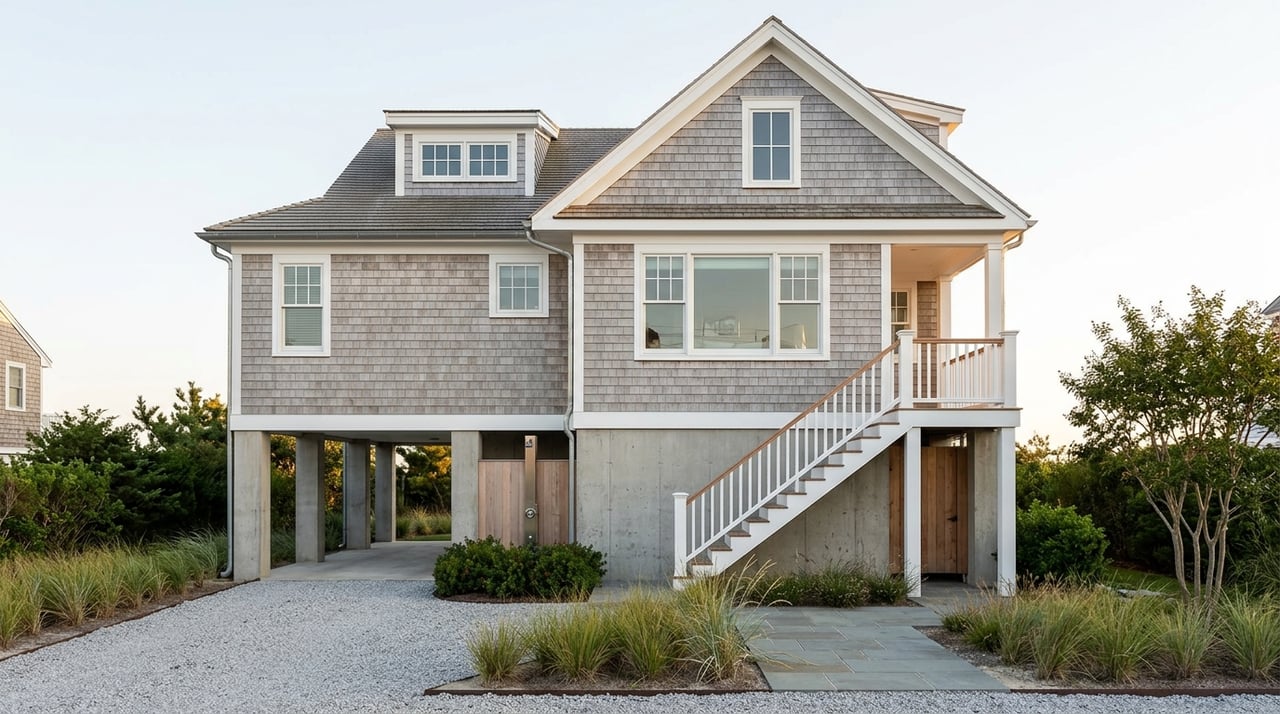
The Shingle Style emphasizes overall massing and silhouette rather than ornate decoration. Continuous wood shingles tie complex shapes together so the house reads as a single sculpted form. The effect is picturesque and site‑specific, with rooflines and porches tailored to views, breezes, and daily life by the water.
Exterior markers
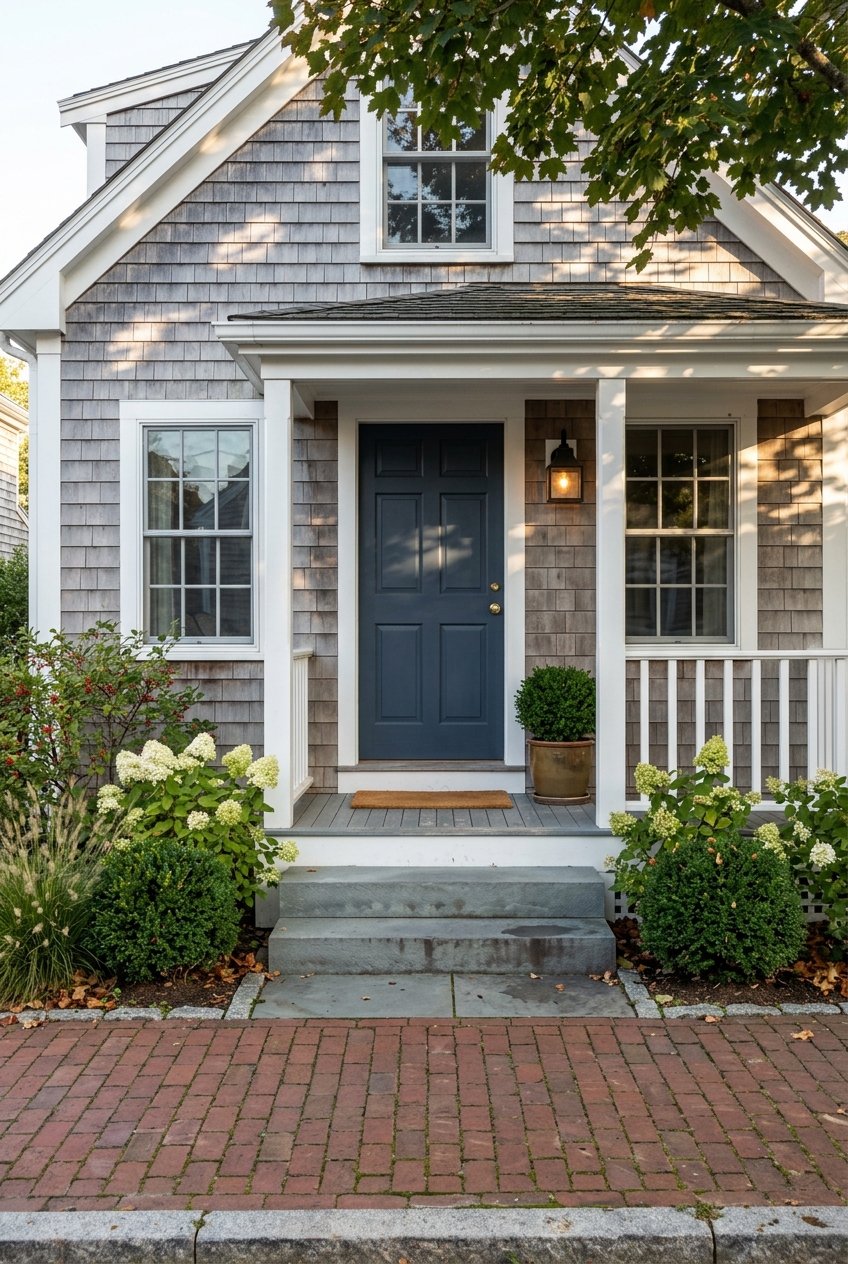
- Continuous cedar shingles on walls and roofs that soften corners and unify the design.
- Complex rooflines with gambrels, cross gables, hipped forms, and sweeping eaves; occasional eyebrow or shed dormers.
- Large wraparound porches and verandas designed for seaside lounging and social time.
- Towers, turrets, or projecting bays that frame harbor views and anchor facades.
- Stone foundations and massive chimneys in local granite or fieldstone that lend a grounded, coastal feel.
- Simple trim, occasional patterned shingles, and restrained classical references at porch columns.
- Grouped sash windows, sometimes with multi‑pane uppers over single‑pane lowers.
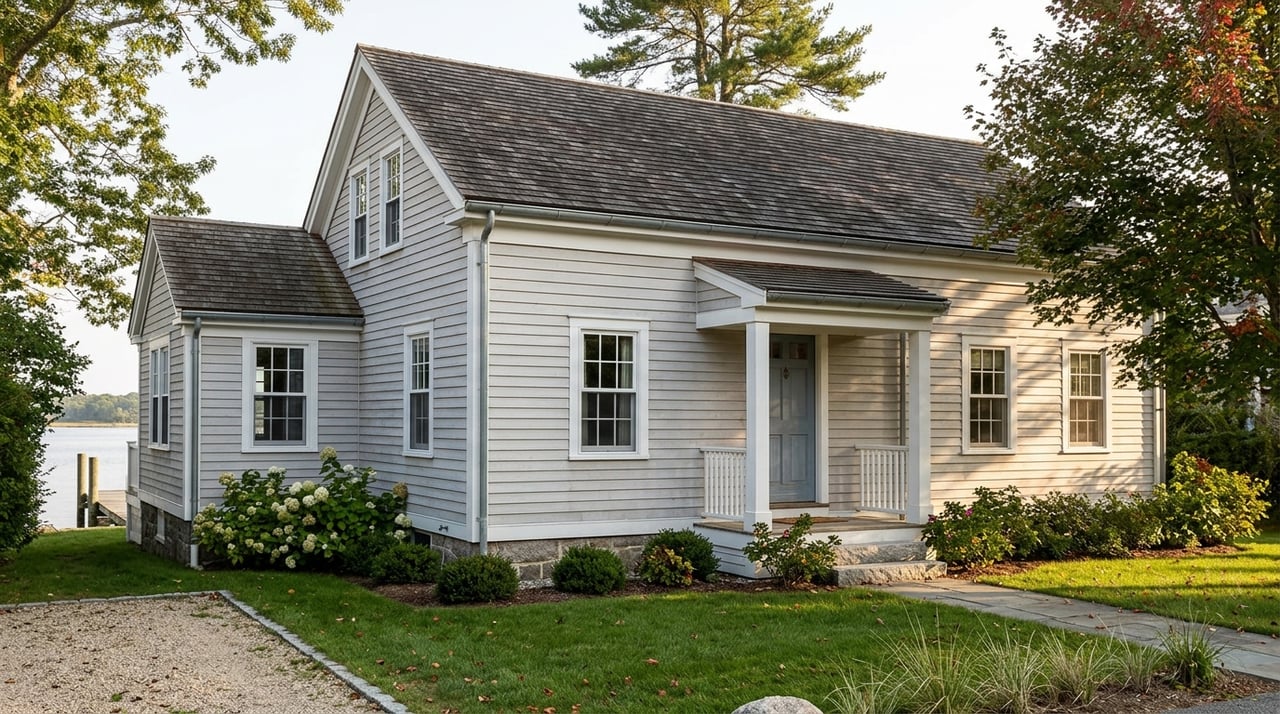
- Natural weathered shingle tones and muted earth colors, often paired with crisp white trim.
Interiors to love
- Large living and dining rooms oriented to water and light, often opening to porches.
- Wood paneling, built‑ins, exposed beams, and wainscoting that add warmth and craftsmanship.
- Generous fireplaces that use local stone as focal points for gathering.
- Bedrooms positioned for cross‑breezes, with former sleeping porches that may now be enclosed.
- Informal circulation that blends indoor and outdoor living, suited to relaxed coastal days.
Sites and outbuildings
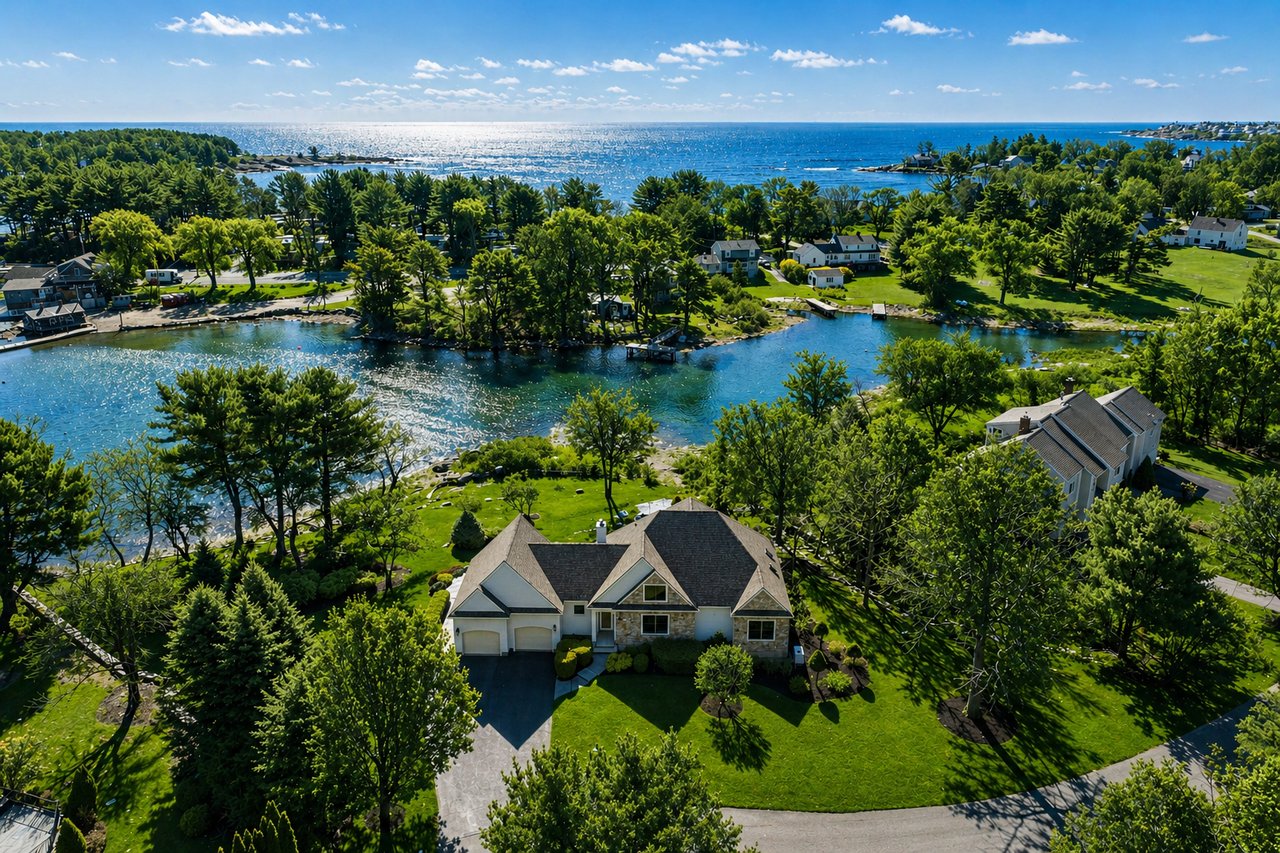
- Siting that maximizes harbor or beach vistas with terraced lawns and winding drives.
- Historic carriage houses, boathouses, or gardener’s cottages that complete the estate ensemble.
- Mature coastal plantings, stone retaining walls, and trees that shape privacy and character.
Grand vs simple cottages
- Scale sets the tone. Grand cottages are multi‑story with expansive footprints and many rooms.
- Complexity also matters. Layered massing and multiple outbuildings distinguish these estates from smaller bungalows or capes.
What to expect as an owner
Owning a Shingle‑style cottage means caring for materials that age gracefully in a coastal setting when maintained well. You should plan for periodic shingle replacement, careful attention to flashing, and routine trim painting. Metal elements need protection from salt‑air corrosion.
Complex rooflines are beautiful but introduce more valleys, dormers, and porches that require vigilant upkeep. Stonework in foundations and chimneys benefits from periodic repointing and attentive drainage management. You can expect higher maintenance costs than a newer build, and you will value contractors with coastal and restoration experience.
Preservation and approvals
Some York Harbor properties fall within local historic review areas or are listed individually on the National Register of Historic Places. These designations can influence allowable exterior changes and may open doors to certain incentives. Many Maine coastal towns use planning boards, historic commissions, or design review processes to guide alterations and demolitions.
If you are considering a purchase, take time to research status and rules before you plan a project. Local resources such as the Town of York planning department, the York Historical Society, the Maine Historic Preservation Commission, and the National Register database can help you understand listing histories, ordinances, and application steps.
Coastal risks and insurance
Harbor‑area parcels can sit within FEMA flood zones, which affects both building strategy and insurance. It is wise to review flood maps and obtain an elevation certificate where applicable. In addition to flood considerations, evaluate shoreline trends and storm exposure when you assess a lot.
Insurance planning is part of ownership on the coast. You may need National Flood Insurance Program coverage and separate wind or hurricane protection. Premiums vary based on elevation, construction, and exposure. Mitigation measures like flood vents, elevated mechanicals, resilient finishes on lower levels, and storm‑rated windows can improve durability and insurability.
Renovation and modern living
Many buyers want modern kitchens, spa‑style baths, efficient HVAC, and better insulation while preserving historic character. Sensitive design lets you honor original materials and massing while updating systems and floor plans. Accessibility upgrades, such as discreet elevators or first‑floor suites, are possible with thoughtful planning.
Understand utilities early. Some older properties rely on wells and septic systems. You should confirm capacity, setback requirements, and any need to upgrade or connect to municipal services if available. Permits often involve building officials, historic review bodies when relevant, and coastal zone approvals for certain work.
Buyer due diligence checklist
- Confirm historic designation status and any preservation easements.
- Review FEMA flood maps and consider a flood elevation certificate.
- Inspect roofing, shingles, flashing, chimneys, foundations, and drainage.
- Evaluate HVAC, wiring, plumbing, and insulation for year‑round comfort.
- Verify septic and well reports and review town records for utilities.
- Document prior renovations and check for change‑of‑use approvals.
- Consult insurance professionals about flood and wind coverage.
Lifestyle and market fit
If you value water views, verandas that invite morning coffee, and a village‑scale setting, York Harbor delivers a strong sense of place. The neighborhood’s shingled textures and cohesive streetscapes create a timeless coastal backdrop. Summer brings boating and outdoor gatherings that contribute to a seasonal rhythm many buyers treasure.
These properties sit within a luxury and coastal‑heritage segment where scarcity plays a role, especially for intact estates and harbor‑front lots. Buyers range from primary‑residence households to second‑home seekers and those drawn to historic charm. For specific inventory and time‑on‑market trends, current local data sources are essential because conditions shift from season to season.
How we guide your York Harbor search
You deserve a partner who knows these houses, understands their care, and can position you for success. As Southern Maine Waterfront Specialists, our boutique team pairs broker‑led guidance with premium marketing and an international network. We help you identify authentic architectural details, review practical considerations like flood and maintenance, and evaluate lifestyle fit across York Harbor and neighboring coastal towns.
From discreet buyer representation to elevated listing presentation for sellers, we tailor strategy to your goals while honoring these properties’ character. Ready to explore York Harbor’s grand seaside cottages or assess the value of your own home? Connect with the team at Great Seacoast Homes to Request a Personalized Home Valuation and start a thoughtful conversation.
FAQs
What defines a Shingle‑style cottage in York Harbor?
- Continuous shingle cladding, complex rooflines, broad porches, and substantial stone chimneys create a unified, informal yet grand seaside look.
Are York Harbor’s grand cottages typically year‑round homes?
- Many began as summer houses. Over time some were modernized for year‑round use, while others remain seasonal or were divided into apartments.
What maintenance should I expect with cedar shingles?
- Periodic shingle replacement, careful flashing at valleys and dormers, trim painting, and corrosion protection for metal exposed to salt air.
How might historic designation affect my renovation plans?
- Local review boards and National Register status can guide exterior changes and demolitions. Early consultation helps align design and approvals.
What should I know about flood insurance near the harbor?
- Many lots fall within FEMA flood zones, which can require flood insurance and elevate premiums. Elevation, materials, and mitigation steps influence costs.
What outbuildings are common with these estates?
- Carriage houses, boathouses, and gardener’s cottages frequently accompany main houses and contribute to each property’s ensemble character.