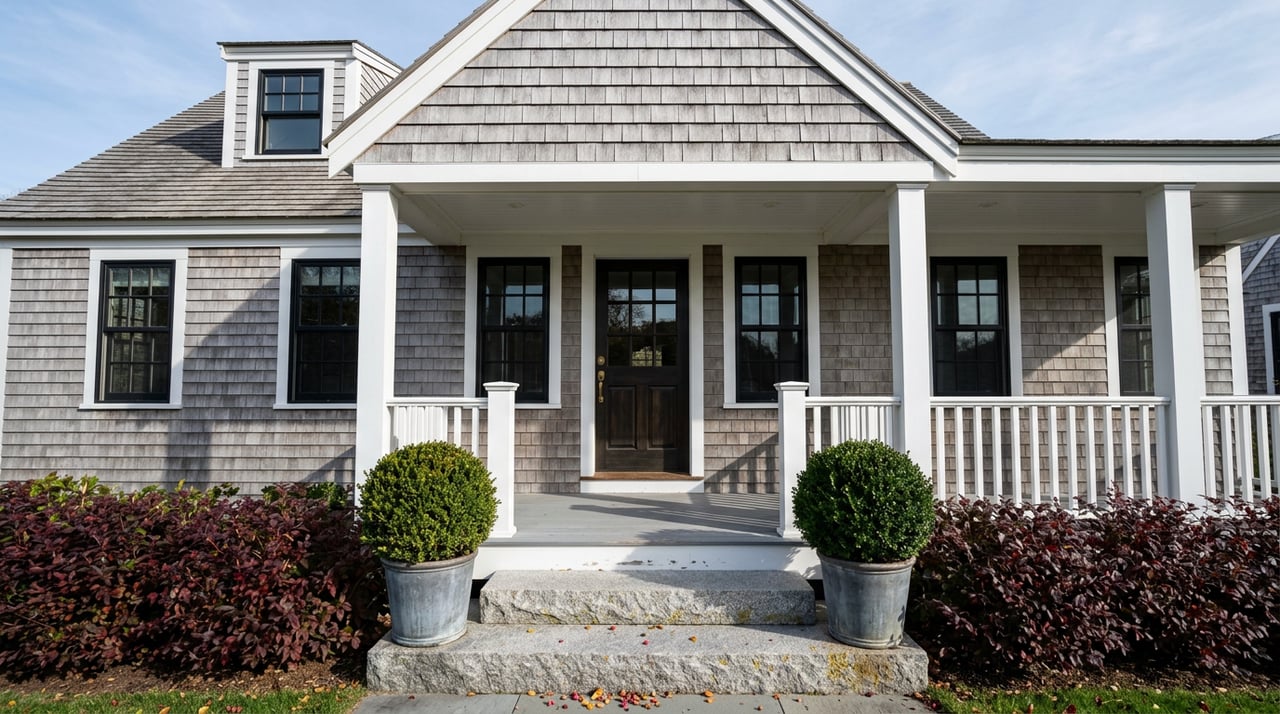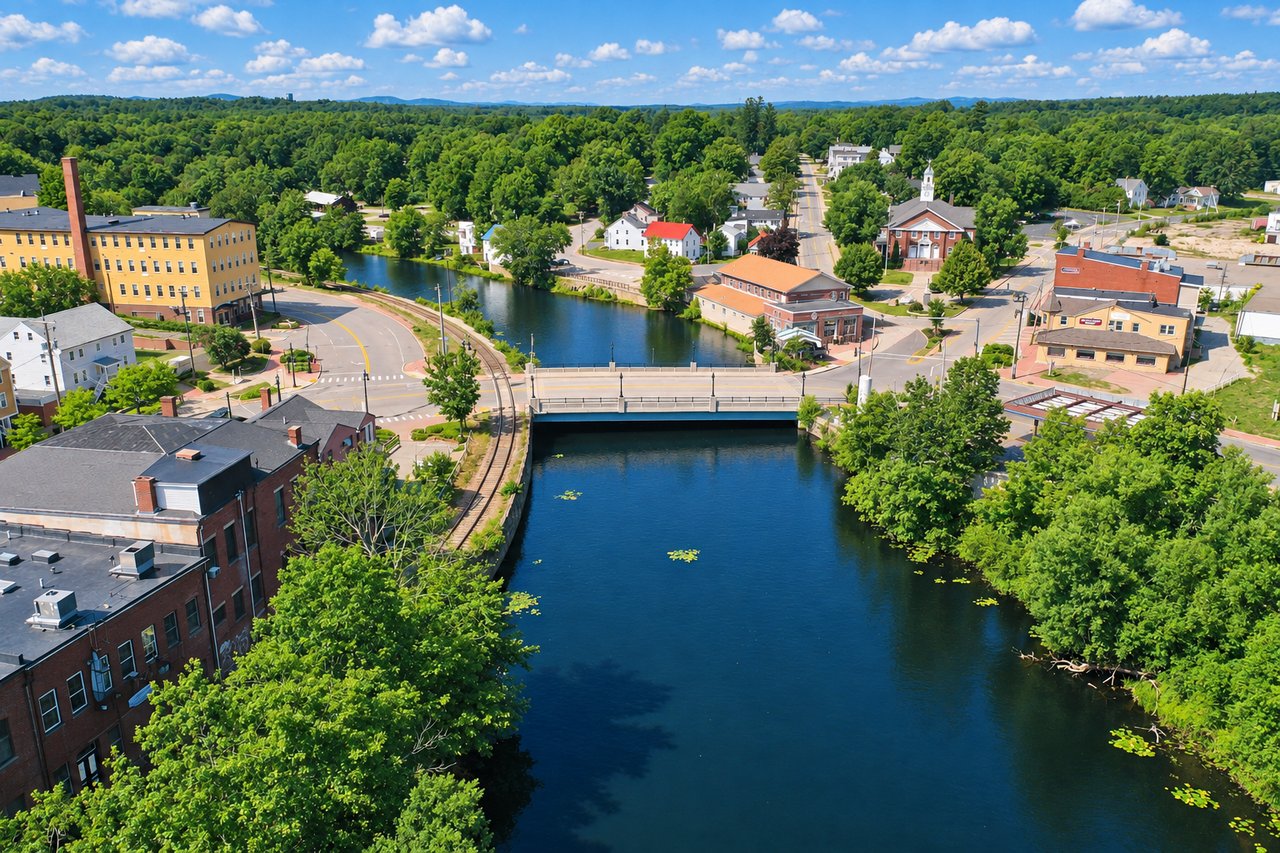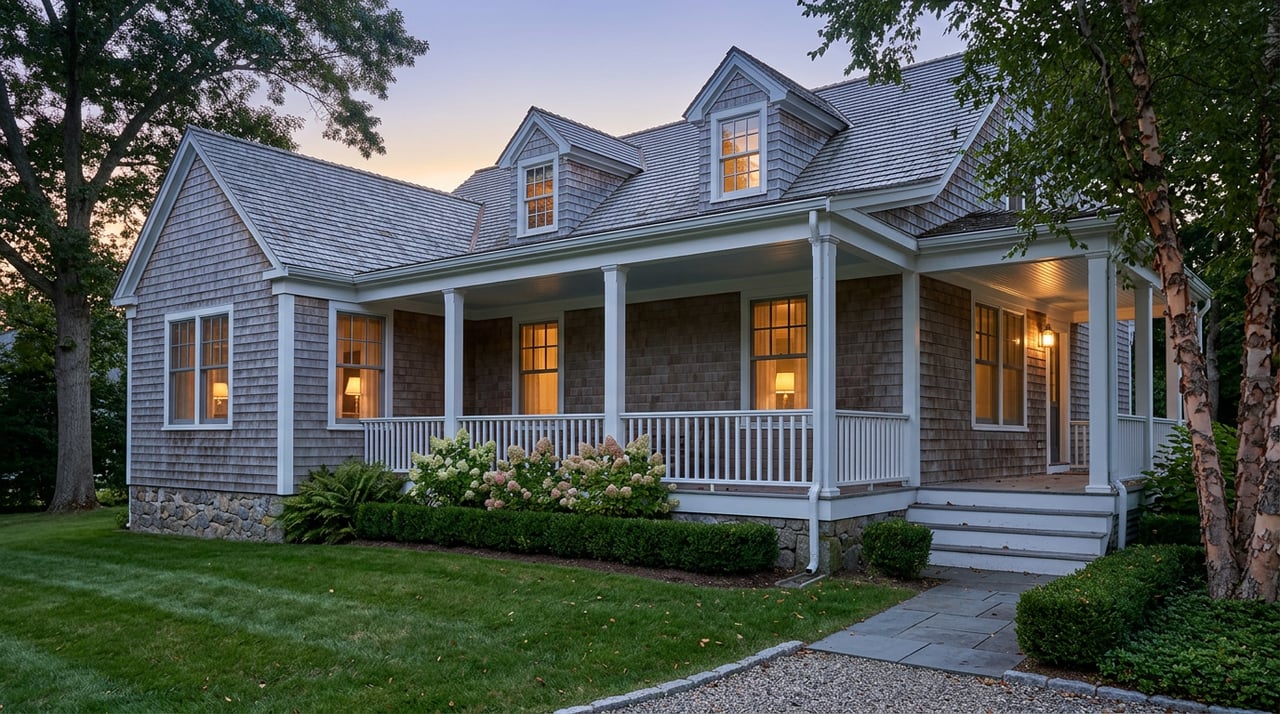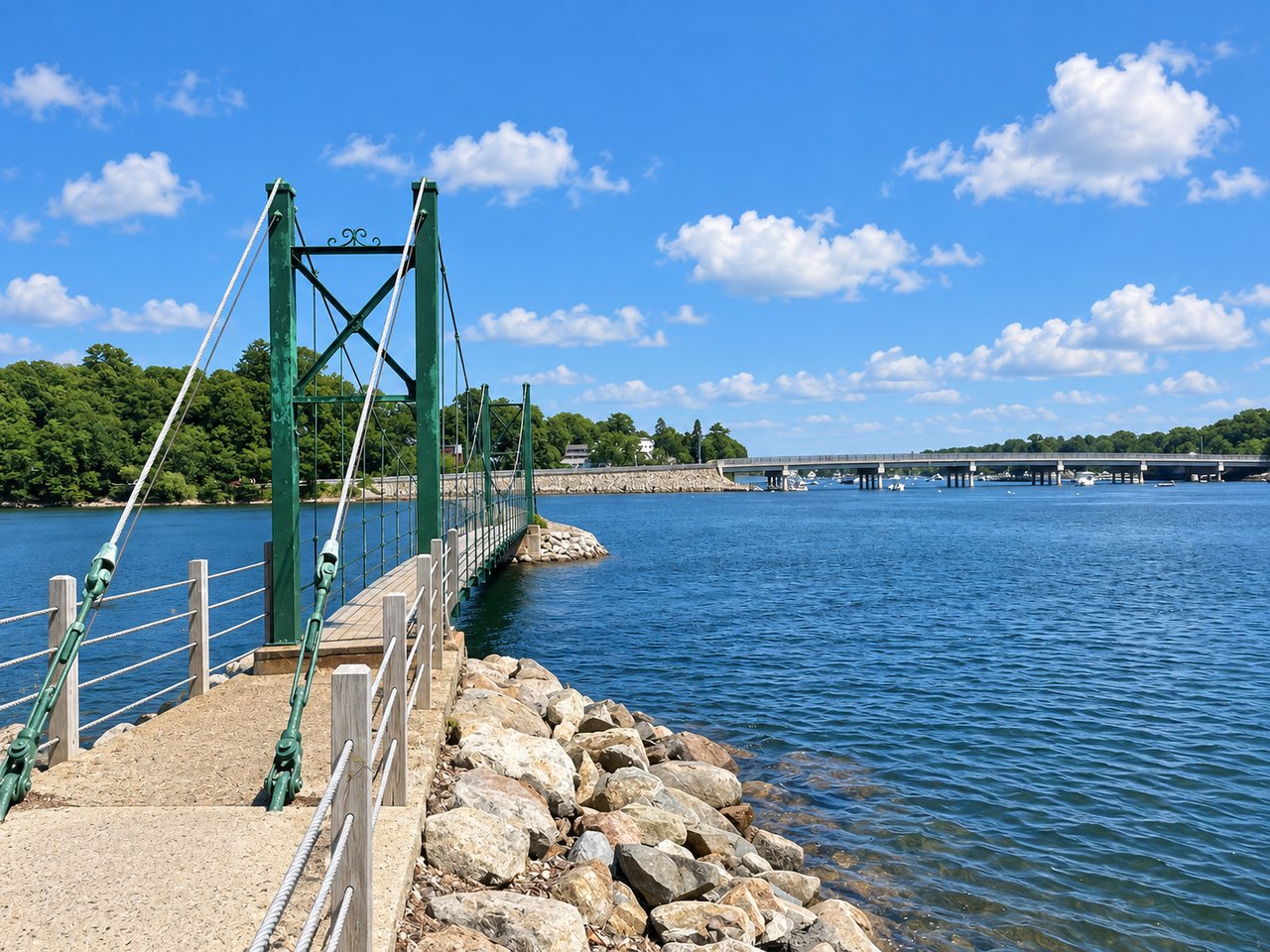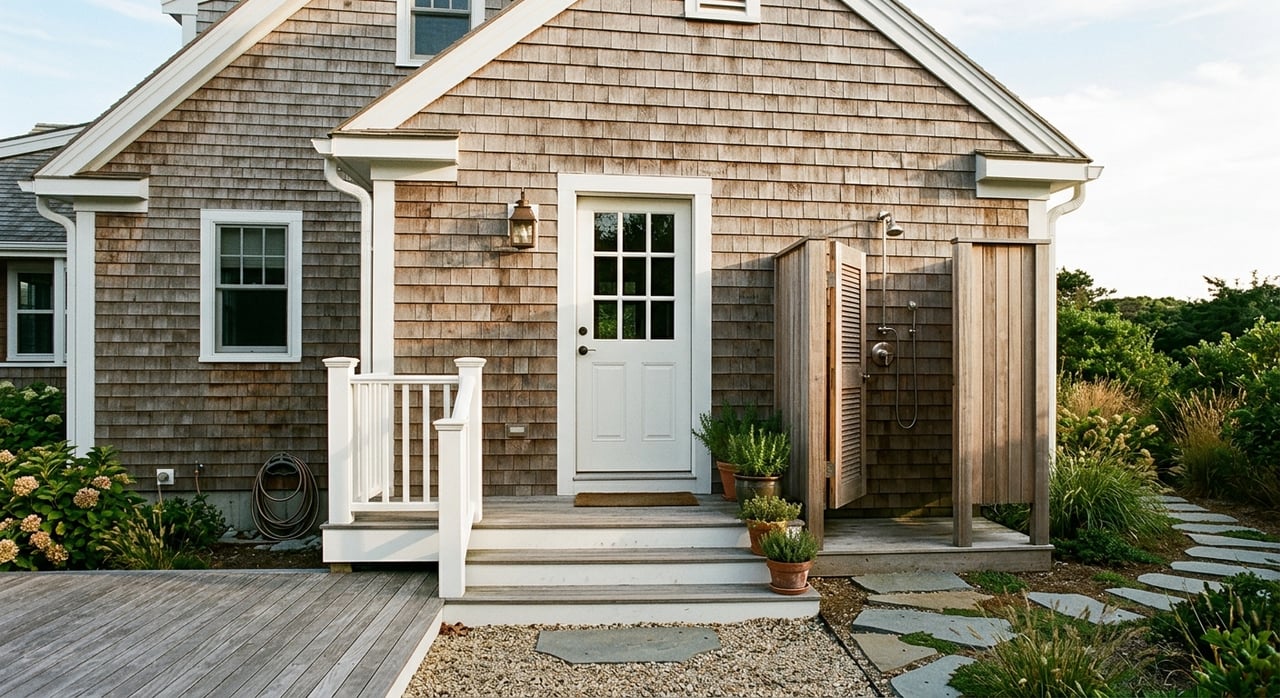
If you are thinking about buying a coastal property in Wells, vacation rental potential is probably part of the conversation. That makes sense. In a town where beaches, nature access, and seasonal tourism all play a major role, the right property can offer both personal enjoyment and income potential. The key is knowing what actually drives demand, what practical details matter most, and which local rules you need to confirm before you buy. Let’s dive in.
Why Wells Draws Vacation Rental Demand
Wells has a strong tourism profile packed into a relatively small coastal area. The town includes three public beaches, a private beach, year-round nature areas, and convenient access from Route 1 and I-95. Town materials also describe Wells as partly a seasonal resort community, with lodging historically supporting visitors, local businesses, and the tax base.
That mix matters if you are evaluating rental potential. Visitors are not coming for just one experience. Some want beach days close to the sand, while others value trail access, nature preserves, and easy transportation connections.
Beaches Anchor Summer Demand
Wells has four named beaches overall. Wells Beach, Crescent Beach, and Drakes Island Beach are public, while Moody Beach is private. According to town lifeguard information, tens of thousands of visitors use the beaches from June through September.
For a rental owner, that points to a clear seasonal demand window. If your property offers convenient beach access, a simple route to the shore, or a location that helps guests avoid parking stress, that can be a meaningful advantage during the busiest months.
Nature Supports the Shoulder Seasons
Wells is not just a summer beach town. Wells Reserve at Laudholm protects 2,250 acres and offers seven miles of trails year-round, and Rachel Carson National Wildlife Refuge has nearby visitor access around Exit 19.
That broader appeal can help support stays outside peak summer. Buyers looking at vacation rental potential should pay attention to properties that work well for early fall, spring weekends, and nature-focused travel, not just high-season beach weeks.
Access Helps Broaden Appeal
Transportation is another part of the story. Town materials note that beach access is a major consideration, and the Wells Transportation Center sits about two miles west of Route 1 with Amtrak and local bus connections to Wells Beach and Boston.
That does not mean every visitor arrives by train or bus. It does mean Wells has a useful layer of regional access that can make the town more attractive for second-home owners, weekend travelers, and guests who want flexibility.
Which Wells Areas Stand Out
Not every property in Wells will perform the same way as a vacation rental. Location, lot layout, parking, and access can all shape how practical and appealing a property feels to guests.
Town planning materials point to a few areas that often stand out first when buyers start evaluating rental use.
Beach Neighborhoods
Drakes Island, Wells Beach, and Moody Beach are described in town planning materials as high-density, small-lot neighborhoods that are virtually fully developed, with mostly one- and two-family homes. In plain terms, that means there is limited room for major new supply in some of Wells’ best-known coastal areas.
For buyers, existing cottages and homes in these locations may draw interest because they are already close to the features visitors come for. Still, density also means details matter. Parking, layout, condition, and ease of use can have a major effect on guest appeal.
Route 1 and Post Road
The Route 1 corridor is another area worth watching. Town materials describe a mix of residential types there, and transportation studies identify a strong linkage between Route 1 lodging and the beaches.
That can make Route 1 and Post Road properties attractive for a different kind of guest. Some travelers care most about being directly at the beach, while others value easier driving access, more flexible property types, and proximity to both the shoreline and local services.
Moody Beach Needs Extra Attention
Moody Beach often comes up in vacation rental conversations, but buyers should look carefully at access and expectations there. The beach itself is private, which makes the property-specific details especially important.
A home in the general Moody Beach area is not automatically the same as a home with the kind of beach access a guest may assume. Clear due diligence matters.
Features That Can Improve Rental Appeal
Once you narrow in on location, the next step is evaluating how well a property fits actual vacation use. In Wells, a few practical features stand out.
Off-Street Parking Matters
Parking is a real issue in a beach town where seasonal beach parking is regulated. The town requires a Multi-Use Beach Parking Permit for metered beach lots from the Saturday of Memorial Day weekend through Columbus Day or Indigenous Peoples' Day.
That is one reason off-street parking can be such a strong selling point. It adds convenience for owners and guests, and it aligns with the town’s draft short-term rental materials, which also emphasize parking as a key standard.
Easy Beach Access Helps
Many guests want a simple, low-stress beach routine. A property that offers easy access to Wells Beach, Crescent Beach, or Drakes Island Beach may stand out more than a home that looks close on a map but feels complicated in practice.
When you evaluate a property, think beyond distance alone. Consider the route, parking options, and how easy it would be for guests to get to and from the beach with children, bags, or coolers.
Year-Round Use Adds Flexibility
A property does not need to sit directly by the sand to have vacation appeal. Homes that are well positioned for reserve trails, refuge access, and broader coastal exploring may have a stronger shoulder-season story.
That can be especially useful if you want a property that serves both personal use and a more flexible rental calendar. In Wells, the best match often depends on your goals.
Risks and Constraints to Review Early
Vacation rental potential is never just about demand. In Wells, you also need to look closely at coastal exposure, property condition, and local compliance.
Flood and Erosion Exposure
Town comprehensive planning materials identify dune areas at Wells Beach and Moody Beach as erosion hazard areas. If you are looking at a coastal or near-coastal property, flood exposure and site conditions should be part of your review from the beginning.
This is not just about risk on paper. It can affect maintenance expectations, insurance costs, and your comfort level as an owner.
Conservation Rules Affect Beach Use
Wells beaches operate under conservation constraints. The town works with state, federal, and Audubon partners to protect piping plovers, and town notices also outline seasonal dog restrictions on public beaches.
These rules may shape the guest experience at certain times of year. If you plan to market a home around beach access and outdoor enjoyment, it helps to understand how seasonal rules may affect use.
The Rules to Confirm Before You Buy
This is one of the most important parts of evaluating vacation rental potential in Wells. Do not assume a property can be used the way you hope simply because it is near the beach or because nearby homes appear to rent seasonally.
Start With Wells Code Enforcement
Wells Code Enforcement administers zoning, building codes, licensing ordinances, growth ordinances, and floodplain management. The town also states that building work must comply with the Maine Uniform Building and Energy Code.
Your first step should be confirming the property’s exact zoning and any current rental permissions with Code Enforcement. That is the clearest starting point for understanding what is allowed today.
Treat Draft Short-Term Rental Rules as Drafts
Town materials show draft short-term rental language that would add licensing, permits, parking, septic, and occupancy standards. Those details should be treated as proposals unless Wells Code Enforcement confirms they have been adopted.
That distinction matters. Buyers should base decisions on current confirmed rules, not assumptions about what may happen next.
Account for Maine Lodging Tax
Maine taxes rentals of lodging at 9%, and returns are due by the 15th of the month. If you are building a rental projection, that tax should be part of your numbers from day one.
Gross rent can look attractive at first glance. Net income is what matters.
How to Evaluate a Wells Rental Opportunity
If you are deciding whether a property in Wells could work as a vacation rental, a simple framework can help you stay focused.
1. Verify Current Use Rules
Start by confirming zoning, current rental permissions, and any town requirements with Wells Code Enforcement. This step comes before income projections.
2. Review Access and Parking
Map the property’s relationship to the beach, Route 1, transit, and off-street parking. In Wells, convenience often shapes guest appeal as much as square footage.
3. Separate Gross From Net
Subtract lodging tax, management, cleaning, maintenance, insurance, and likely compliance costs from projected rent. That gives you a more realistic picture of performance.
4. Stress-Test Seasonality
Summer is the core beach season, but year-round trails and refuge access may support shoulder-season bookings. Look at whether the property still feels appealing outside peak weeks.
5. Match the Property to Your Goals
Some buyers want a second home that offsets costs with occasional rentals. Others want a more income-focused property. The right choice in Wells depends on whether you value beach proximity, lower-maintenance ownership, flexible personal use, or stronger seasonal appeal.
Why Local Guidance Matters
Vacation rental potential in Wells is highly specific to the property. Two homes that seem similar online can perform very differently once you factor in access, parking, density, private beach limitations, coastal exposure, and current town rules.
That is why local perspective matters so much. A well-informed buying strategy can help you spot the difference between a property that simply sounds promising and one that truly fits your lifestyle and investment goals.
If you are considering a cottage, condo, waterfront home, or seasonal property in Wells or elsewhere in southern York County, Great Seacoast Home can help you evaluate location, property fit, and next steps with clear, tailored guidance.
FAQs
What makes Wells, Maine attractive for vacation rentals?
- Wells attracts visitors with three public beaches, a private beach, year-round nature areas, and access from Route 1, I-95, Amtrak, and local bus connections.
Which Wells neighborhoods are most relevant for vacation rental buyers?
- Buyers often start with Wells Beach, Drakes Island, Moody Beach, and parts of the Route 1 or Post Road corridor, then compare access, parking, density, and property condition.
Does every beach-area property in Wells have the same rental potential?
- No. Town materials suggest beach-area parcels are dense and mostly built out, so lot configuration, parking, access, and condition can make a big difference.
What is the first step in checking short-term rental rules in Wells?
- Confirm the property’s current zoning and rental permissions with Wells Code Enforcement before assuming short-term rental use is allowed.
What taxes should vacation rental owners in Wells expect?
- Maine taxes lodging rentals at 9%, and returns are due by the 15th of the month.
Why is parking so important for a Wells vacation rental?
- Beach parking is seasonally regulated, so off-street parking can make a property more practical and more appealing for guests.