Buying a historic home in South Berwick can feel a little like stepping into a story. You may be drawn to the original woodwork, the old village streetscape, or the sense of place that newer homes simply cannot recreate. If you are considering one of these properties, it helps to know what makes South Berwick’s historic homes special, what rules may apply, and what to check before you commit. Let’s dive in.
Why South Berwick historic homes stand out
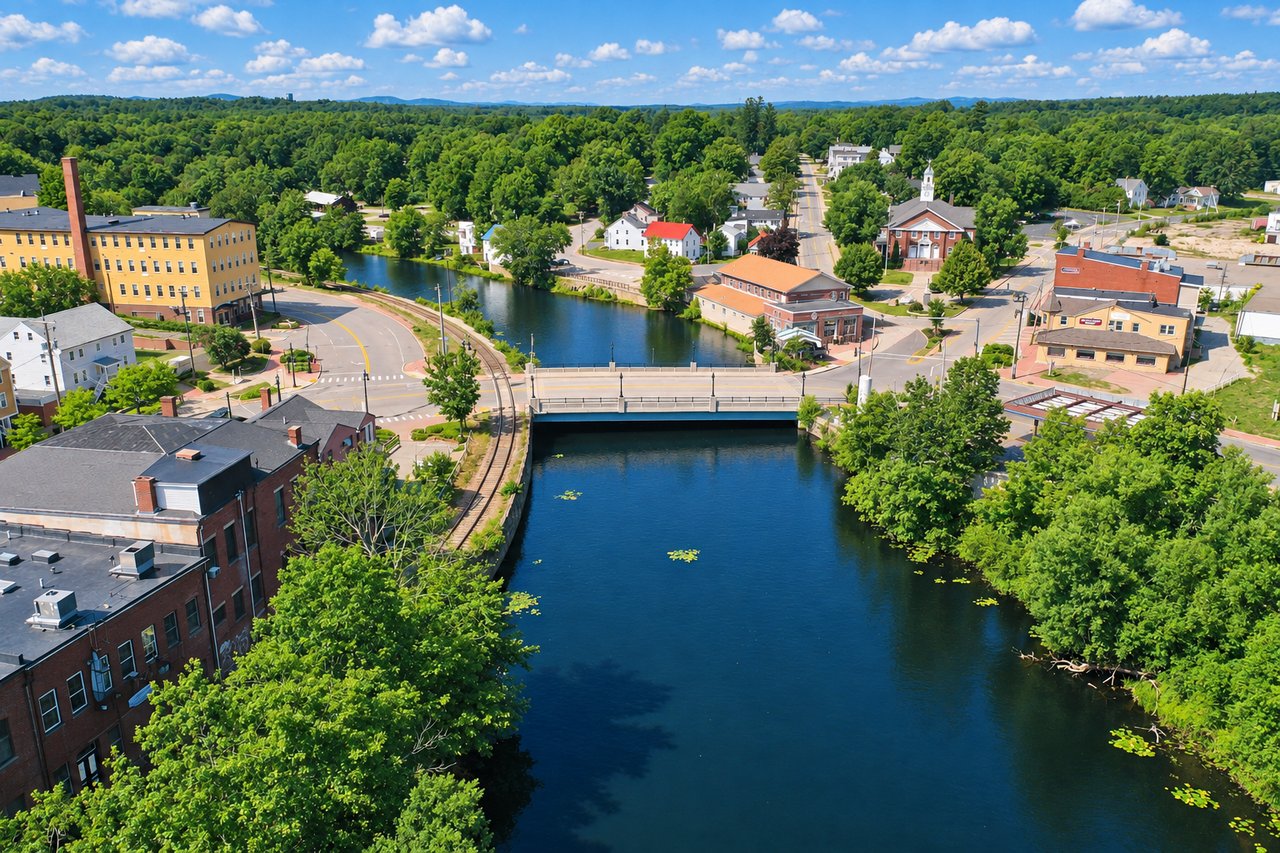
South Berwick’s most concentrated historic housing stock sits in the village center along Main Street and Portland Street near the Salmon Falls River. According to the Maine Historic Preservation Commission, this area holds the town’s densest mix of residential, civic, and commercial historic buildings.
That matters because the appeal here is not limited to one or two landmark homes. The South Berwick Village Historic District reflects a layered small-town center shaped by the old Dover Turnpike and Boston-Portland Post Road, with homes, churches, shops, and transportation-era buildings all contributing to the setting.
The district was listed in the National Register in 2010. It includes 117 contributing resources, 22 non-contributing resources, and 28 buildings built before Maine statehood.
What styles you are likely to see
If you are shopping for a historic home in South Berwick, you will likely notice several architectural styles as you move through the village and nearby streets. Many homes are wood-framed and tied closely to the traditional New England streetscape, which is one reason exterior details matter so much here.
Georgian and Federal homes
Some of the earliest homes in South Berwick are Georgian or Federal in style. These properties often feature symmetrical facades, central entries, side-gabled or hipped roofs, small-paned sash windows, and refined entry details such as fanlights, sidelights, or pedimented surrounds.
These homes tend to feel balanced and formal from the street. If you love understated elegance and early American design, this is often the style that catches your eye first.
Greek Revival and transitional homes
By the mid-1800s, many homes shifted toward Greek Revival and transitional Greek Revival-Italianate forms. In South Berwick, buyers may see side-hall plans, front-gable forms, Ionic columns, flush-board siding, bay windows, bracketed hoods, and decorative trim.
These homes often blend simple massing with more ornament. That mix can create a house that feels both classic and visually rich.
Italianate, Queen Anne, and later Victorian homes
Later 19th-century houses in the village core and on streets such as Highland Avenue often show Italianate, Second Empire, Stick, Queen Anne, and some Colonial Revival influence. You may spot mansard roofs, decorative brackets, cross-gables, porch ornament, stickwork, and carriage houses or barns that remain part of the historic setting.
For many buyers, these homes offer the most dramatic curb appeal. They can also come with more exterior detail to maintain, which is important to budget for early.
Why exterior changes matter so much
One practical reality of buying a historic home in South Berwick is that appearance matters beyond your own preferences. Preservation records note that window replacement, synthetic siding, and similar changes can reduce a building’s historic integrity, even when the structure itself remains sound.
That means you should pay close attention to what is original and what has been replaced. It is also smart to ask whether past exterior work was approved when required.
Local historic district rules buyers should know
For day-to-day ownership, South Berwick’s local historic-district ordinance is the key rulebook. The National Register listing alone does not create federal restrictions on a private owner’s use of property. In practical terms, the local ordinance is what affects many exterior projects.
When a certificate of appropriateness is required
Under Chapter 84, a certificate of appropriateness is required for many visible exterior changes within the historic district. This can include:
- Exterior changes to a building or site
- New visible construction
- Signs
- Walls and fences
- Demolition or removal
- Certain archaeological alterations
In these cases, the code enforcement officer cannot issue a building permit until the Historic District Commission approves the certificate.
What the review process looks like
The application process can be detailed. Depending on the project, you may need drawings, photos, material descriptions, and a site plan.
The commission reviews proposals using the Secretary of the Interior’s Standards for Rehabilitation along with local visual-compatibility standards. These standards focus on proportions, roof forms, materials, details, and the overall rhythm of the streetscape.
What usually does not require review
Ordinary maintenance and repair are generally allowed when the work does not change design, material, or appearance. That distinction is helpful for routine upkeep.
At the same time, the ordinance expects owners to prevent serious disrepair. Roofs, chimneys, windows, doors, exterior walls, and waterproofing are all specifically important.
Demolition gets extra scrutiny
If demolition is proposed, the ordinance calls for a 60-day public notice period. This gives the commission time to document the structure and consider alternatives.
For buyers, the takeaway is simple: major exterior changes may be possible, but they are likely to be reviewed carefully.
Due diligence for older homes in South Berwick
Historic homes reward careful buyers. Before closing, you will want to understand both the house itself and any local review obligations that may follow you after purchase.
Confirm the property’s historic status
Start by finding out whether the home is inside one of South Berwick’s local historic districts or only within the National Register area. This distinction matters because local district status is what triggers many exterior review requirements.
You should also ask for any prior approvals, permits, or certificate of appropriateness records related to exterior work.
Check health and environmental disclosures early
For older Maine homes, lead and radon disclosures should be requested early in the process. Maine’s Attorney General says sellers and landlords must disclose lead and radon testing reports.
Lead is especially important in pre-1978 homes. If renovations will disturb painted surfaces, lead-safe work practices may be necessary, and in many cases buyers should expect to use a lead-safe certified contractor.
Radon should not be skipped. Maine says there is no known safe level of radon, recommends a screening test followed by a follow-up test if needed, and requires that testing and mitigation for a home being sold be done by a Maine-registered radon service provider.
Asbestos is another issue to keep in mind. It may be found in materials such as floor tile, ceiling tile, roofing, and pipe wrap, so professional sampling is often wise if a material is damaged or renovation could disturb it.
Focus on the exterior envelope
With an older home, your inspection lens should be especially sharp on the exterior envelope. Pay close attention to:
- Roof condition
- Chimneys
- Exterior walls
- Broken or deteriorated windows and doors
- Foundation waterproofing
- Signs of ongoing moisture intrusion
These are the same areas the town code highlights as maintenance priorities. They also tend to be where deferred maintenance becomes expensive.
Identify original versus replaced features
Ask which elements are original and which have been changed over time. Important features include:
- Windows
- Siding
- Trim
- Roof shape
- Porches
- Chimneys
- Outbuildings such as barns or carriage houses
This helps you understand both character and future maintenance expectations. It can also reveal whether a home still holds much of its historic fabric.
Consider river-adjacent site conditions
If the property is near the Salmon Falls River or on a low-lying street, it is wise to check floodplain or drainage considerations. South Berwick’s zoning code separately addresses floodplain management, so this is an important extra layer of diligence for river-adjacent sites.
Historic tax credit potential
If you are considering an income-producing building rather than a purely owner-occupied residence, rehabilitation may qualify for historic tax credits. Maine’s Substantial Rehabilitation Credit is a 25% state credit that works alongside the federal historic tax incentive program and is administered through the Maine Historic Preservation Commission.
This will not apply to every buyer or property. Still, for investors or buyers exploring mixed-use or income-producing opportunities, it is worth asking about early.
Local resources that can help
If you are exploring a historic home purchase in South Berwick, local guidance matters. The first stop for exterior-work questions is typically the Historic District Commission and the Code Enforcement Officer under Chapter 84.
The ordinance also directs notice of certificate applications to the Old Berwick Historical Society, which makes the society a useful local preservation resource. At the state level, the Maine Historic Preservation Commission provides preservation guidance, National Register support, and administration of state rehabilitation tax credits.
A smart way to buy a South Berwick historic home
Historic homes in South Berwick offer something rare: architecture, setting, and a visible connection to the town’s long civic and commercial history. They can also ask more of you as an owner, especially when it comes to maintenance, approvals, and thoughtful renovation planning.
If you go in with clear expectations, the right questions, and strong local guidance, you can buy with confidence and preserve what makes the property special. If you are considering a historic home in southern York County, Great Seacoast Home can help you evaluate the property, the location, and the next steps with a thoughtful, local perspective.
FAQs
What makes South Berwick historic homes different from other older homes?
- South Berwick’s historic homes are often part of a larger village setting with residential, civic, commercial, and transportation-era buildings that create a cohesive historic streetscape.
What styles are common in South Berwick historic homes?
- Buyers commonly see Georgian, Federal, Greek Revival, Italianate, Second Empire, Stick, Queen Anne, and some Colonial Revival influences.
What is a certificate of appropriateness in South Berwick?
- It is local approval required for many exterior changes within the historic district, including visible construction, demolition, signs, fences, and certain site alterations.
Does National Register listing restrict a private South Berwick homeowner?
- No. The National Register listing alone does not impose federal restrictions on a private owner’s use of the property. In South Berwick, the local ordinance drives most day-to-day exterior review requirements.
What should buyers inspect first in a South Berwick historic home?
- Focus on the roof, chimneys, exterior walls, windows, doors, waterproofing, moisture issues, and whether key exterior features are original or replaced.
What environmental tests matter for older homes in South Berwick?
- Lead, radon, and possible asbestos concerns are all important to review, especially in older homes or before planned renovation work.