Dreaming about a place near the sand in Wells? If you are torn between a beach condo and a cottage, you are not alone. Both can deliver that classic Southern Maine coastal lifestyle, but they come with very different ownership experiences. This guide will help you compare maintenance, privacy, rental potential, and local Wells rules so you can choose with more confidence. Let’s dive in.
Why the Wells Decision Is Different
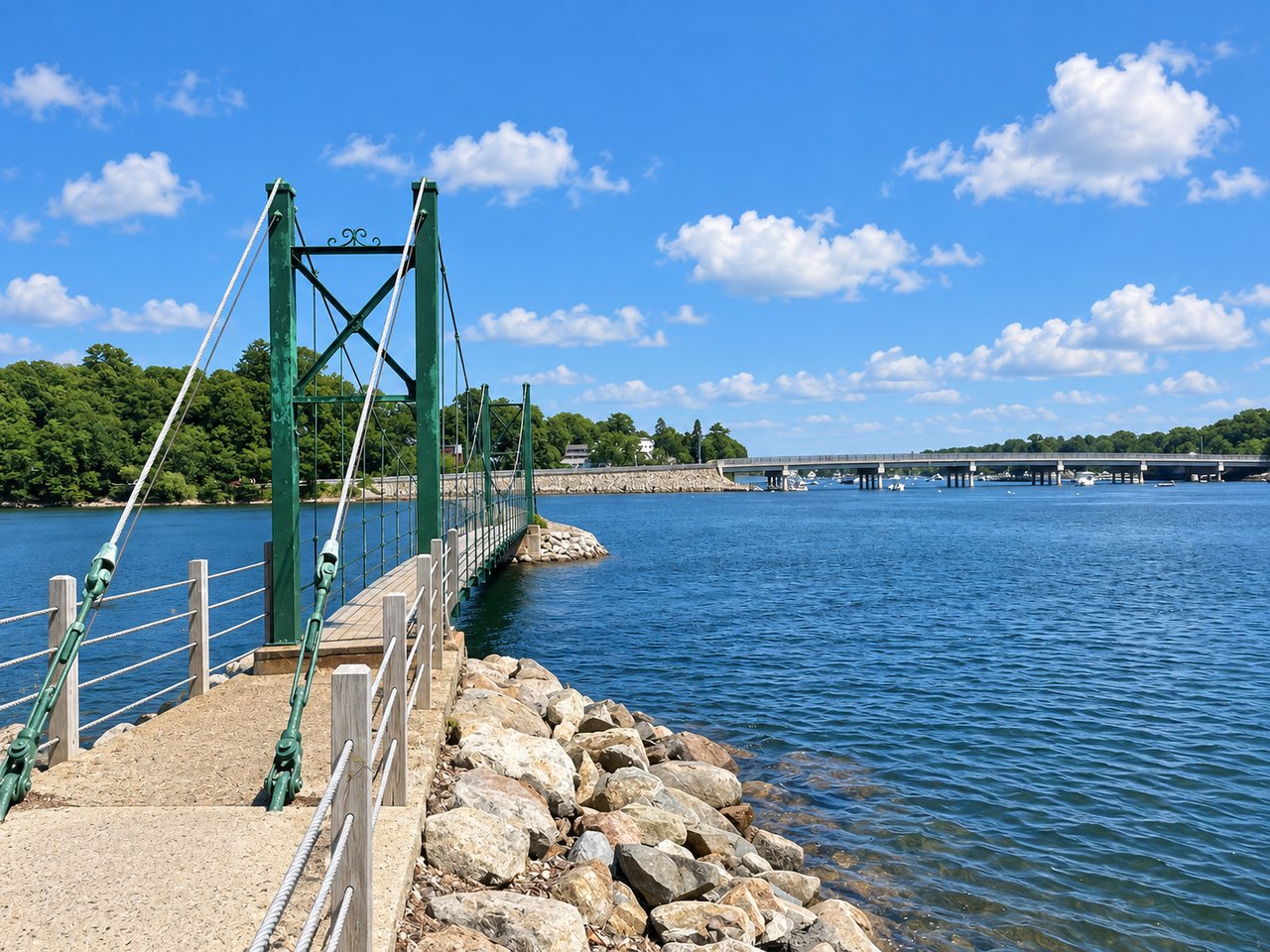
In Wells, buying near the beach is about more than distance to the ocean. The town has three public beaches, including Crescent Beach, Drake’s Island, and Wells Beach, while Moody Beach is private. That means your day-to-day beach experience may depend on where you can legally access the shoreline, how parking works, and what seasonal rules apply.
Wells also manages its beaches with seasonal parking systems and conservation measures. The town notes that metered beach-lot parking is seasonal, and beach lots close at 11 p.m. There is also seasonal piping plover monitoring intended to protect nesting habitat while keeping beaches open, which can affect how certain areas are used at different times of year.
For you as a buyer, that means a property that looks close to the beach on paper may feel very different in real life. Easy parking, public access, and seasonal beach operations can shape how often and how easily you actually enjoy the coast.
Beach Condo: What Ownership Looks Like
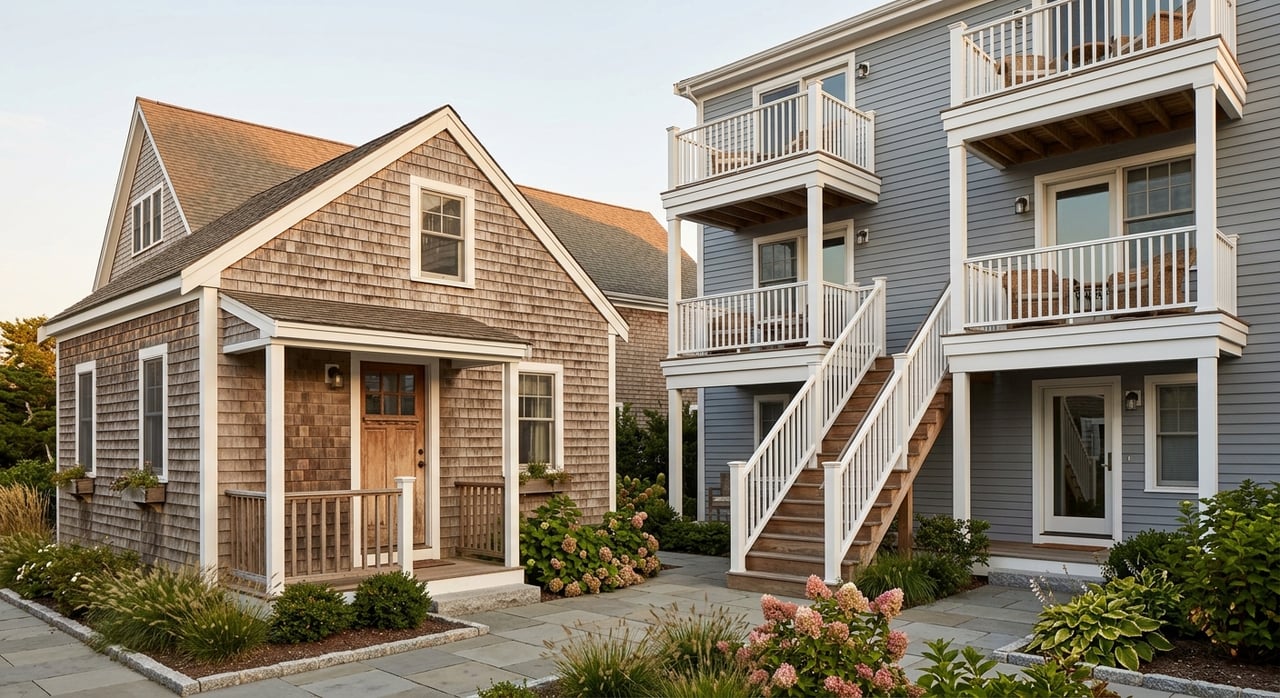
A beach condo often appeals to buyers who want a simpler, more flexible ownership experience. Under Maine condominium law, the association is generally responsible for maintenance, repair, and replacement of common elements, while you as the unit owner are responsible for your unit itself. In practical terms, that often means less exterior upkeep for you.
That can be a strong fit if you want a lock-and-leave property for weekends, summers, or seasonal visits. If you live out of state or plan to use the home as a second property, a condo may feel easier to manage from a distance. Shared maintenance is often one of the biggest reasons buyers lean this way.
Still, condo living comes with tradeoffs. Maine law allows associations to adopt and amend rules, collect assessments for common expenses, regulate common elements, and levy reasonable fines after notice and an opportunity to be heard. So while a condo may reduce some work, it also means shared governance and less autonomy.
Condo Pros in Wells
- Lower day-to-day exterior maintenance
- Easier seasonal or part-time ownership
- Shared responsibility for common elements
- Often a strong fit for buyers who want convenience
Condo Tradeoffs to Consider
- Monthly or periodic dues and possible assessments
- Rules that may affect use of common areas
- Less control over exterior changes and some property decisions
- Rental use may depend on both town approval and condo documents
Beach Cottage: What Ownership Looks Like
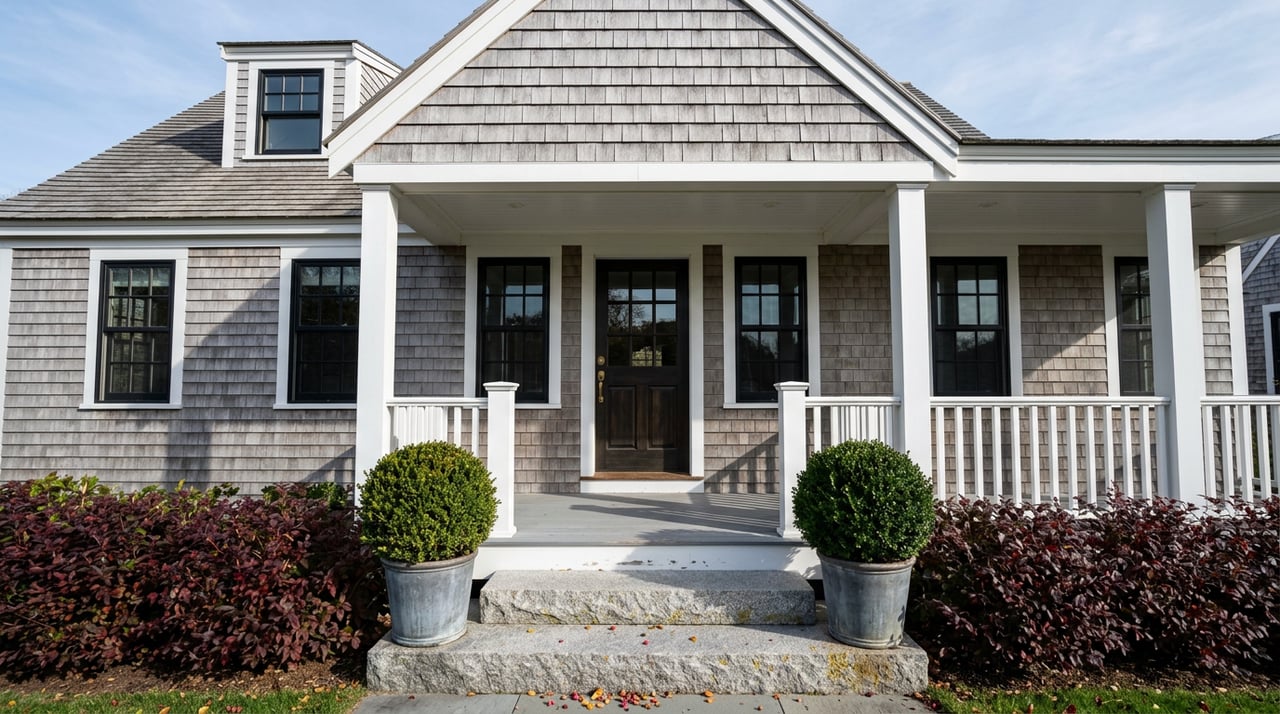
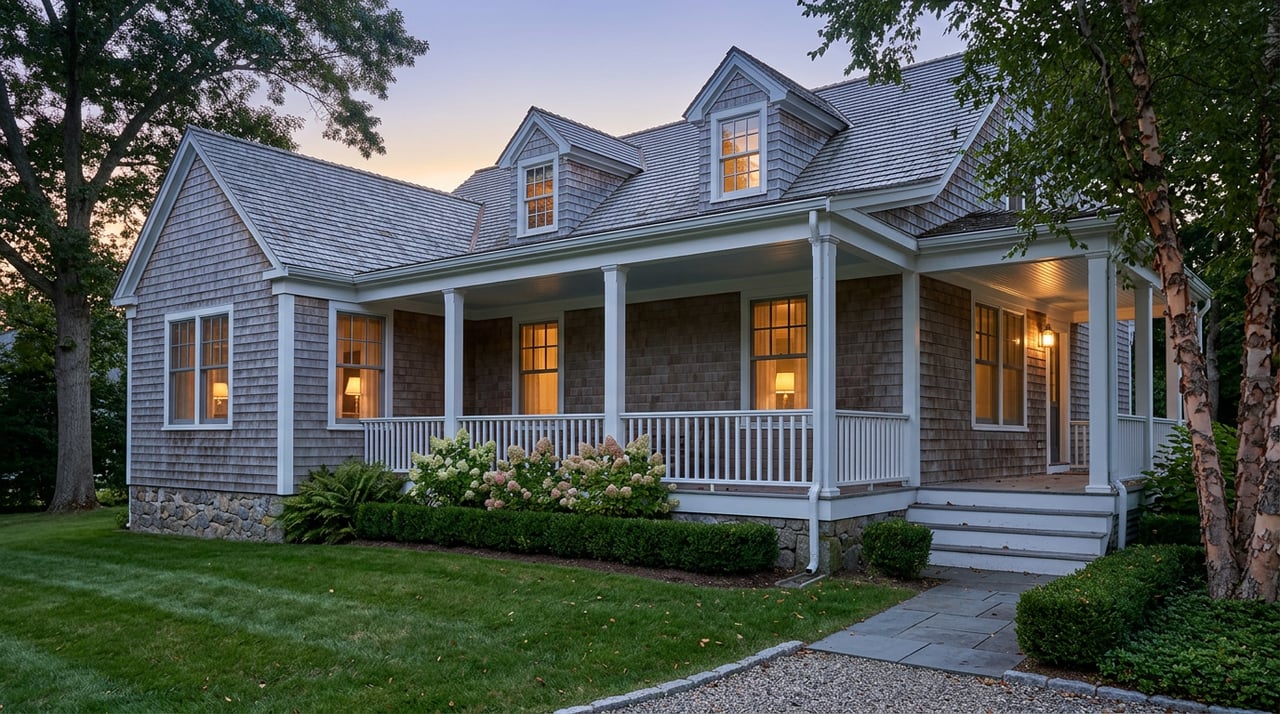
A beach cottage gives you a different kind of coastal experience. If you want more privacy, more control over the property, and more flexibility for outdoor living, a detached home may feel like the better match. You may also have more freedom to shape the property around how you want to use it, subject to local rules.
That said, the maintenance burden is usually yours. Unlike a condo, where an association handles common elements, a cottage owner is typically responsible for the full property. That includes the kind of upkeep that comes with coastal weather, outdoor spaces, and exterior systems.
In Wells, cottage ownership can also involve more local compliance questions. The town says its code office administers zoning, building code, licensing, shoreland, subsurface wastewater, and floodplain issues, and provides forms for zoning questions, flood-zone data, and septic designs. That makes due diligence especially important if you are considering an older seasonal home or a property close to the water.
Cottage Pros in Wells
- More privacy and separation from neighbors
- Greater control over use and outdoor space
- More flexibility for improvements, subject to permits and local rules
- Often a stronger fit for buyers who value independence
Cottage Tradeoffs to Consider
- More maintenance and repair responsibility
- More permitting and compliance questions to verify
- Septic, floodplain, and zoning issues may directly affect use
- Ownership can be less hands-off than a condo
Rental Potential: Verify Before You Count Income
If rental income is part of your plan, Wells requires careful review. The town’s posted land-use text defines a short-term rental as occupancy for no less than 7 consecutive days and no more than 30 consecutive days, for a maximum of 120 calendar days per year. However, a January 2025 planning memo described a draft ordinance still in progress and used a different framework, calling short-term rentals stays of less than 90 days with proposed fees, permits, and standards.
That difference matters. Before you underwrite income from either a condo or a cottage, you should confirm the currently enacted rules with the town. Relying on outdated assumptions could change the numbers significantly.
The posted code text also says short-term rental units must be licensed, must receive permit approval before use, and must meet standards for parking, hard-wired smoke detectors, occupancy, and septic capacity. For a condo, that means rental viability depends on both town approval and the condominium documents. For a cottage, it depends more directly on whether the property can satisfy zoning, septic, flood, and permit requirements.
Maine Revenue Services also lists rentals of lodging at a 9% tax rate. If you are evaluating return on investment, that tax should be part of your planning from the start.
Flood Zones, Septic, and Practical Risk
Near-water ownership in Wells can come with added layers of due diligence. FEMA notes that most homeowners policies do not cover flood damage, and properties in Special Flood Hazard Areas may face mandatory flood insurance requirements when financing is involved. This is especially important if you are comparing a beach cottage and condo with similar price points but different exposure.
For cottages, septic capacity can be a major factor, especially if you plan to rent the property or increase occupancy. Wells specifically points owners to its code office for septic designs, flood-zone data, and zoning questions. Those details can affect not just cost, but also how you use the property long term.
Condos are not automatically free of these issues, but the ownership structure can make some responsibilities more shared. Even so, you still want to understand insurance, flood exposure, building rules, and any use restrictions before making an offer.
A Simple Framework for Choosing
The best choice usually comes down to how you want to spend your time, what level of responsibility feels comfortable, and whether rental flexibility is a priority.
A Beach Condo May Be Right for You If:
- You want lower day-to-day maintenance
- You value a simpler seasonal ownership experience
- You are comfortable with association rules and shared costs
- You want a property that may be easier to manage from afar
A Beach Cottage May Be Right for You If:
- You want more privacy and outdoor space
- You prefer greater control over improvements and use
- You are willing to handle more upkeep
- You are comfortable managing permitting and property systems more directly
What to Confirm Before You Write an Offer
No matter which property type you prefer, a few Wells-specific checks can help you avoid surprises.
Your Wells Buying Checklist
- Confirm beach access logistics for the specific location
- Review seasonal parking rules and beach-lot use
- Verify flood-zone status
- Check septic capacity and any related design questions
- Confirm zoning and permit requirements with the town
- Review the exact short-term rental path before assuming income
- For condos, read the association documents carefully
These steps are not just box-checking. In a coastal market like Wells, they often shape whether a property feels easy, flexible, and enjoyable after closing.
The Bottom Line on Condo vs. Cottage in Wells
In Wells, the choice between a beach condo and a cottage is less about which one is better in general and more about which one fits your lifestyle. A condo can offer convenience, shared maintenance, and a more lock-and-leave setup. A cottage can offer privacy, outdoor living, and more direct control, but usually with more responsibility.
If you are buying for personal use, think about how often you will be there and how hands-on you want to be. If you are buying with rental goals in mind, verify the current Wells rules, permit path, and property-specific limitations before you run the numbers. The right fit is the one that matches how you want to live on the coast, not just how the listing looks online.
If you are weighing a condo against a cottage in Wells, a local, property-by-property review can save you time and help you focus on the right opportunities. The team at Great Seacoast Home offers personalized guidance for coastal buyers across Southern Maine, from low-maintenance beach condos to classic ocean-side cottages.
FAQs
What is the main difference between a beach condo and cottage in Wells?
- A beach condo usually offers less exterior maintenance and more shared governance, while a cottage usually offers more privacy and control but requires more upkeep and direct property management.
Are short-term rentals allowed for Wells beach properties?
- Wells has posted short-term rental rules and licensing requirements, but buyers should verify the currently enacted rule set before relying on rental income because town materials show differing definitions and draft updates.
Do Wells beach condos have fewer maintenance responsibilities?
- In general, yes. Under Maine condominium law, the association is responsible for common elements, while the unit owner is responsible for the unit itself.
What should buyers check before buying a Wells beach cottage?
- Buyers should confirm zoning, flood-zone status, septic capacity, permit needs, beach access logistics, parking rules, and any rental licensing requirements.
Does flood insurance matter for Wells coastal property purchases?
- Yes. Properties in Special Flood Hazard Areas may require flood insurance when financing is involved, and most homeowners policies do not cover flood damage.
How do parking and beach access affect Wells beach homes?
- In Wells, public beach use can depend on seasonal parking systems, lot hours, and access rules, so convenience may be shaped by more than simple distance to the shoreline.