Wondering why one Wells beach house draws strong interest at a seven-figure price while another sits with price cuts? In Wells, beach-house pricing is rarely about square footage alone. If you want to price a coastal home well, you need to understand how buyers weigh location, access, condition, parking, and risk. Let’s dive in.
Wells pricing starts with micro-markets
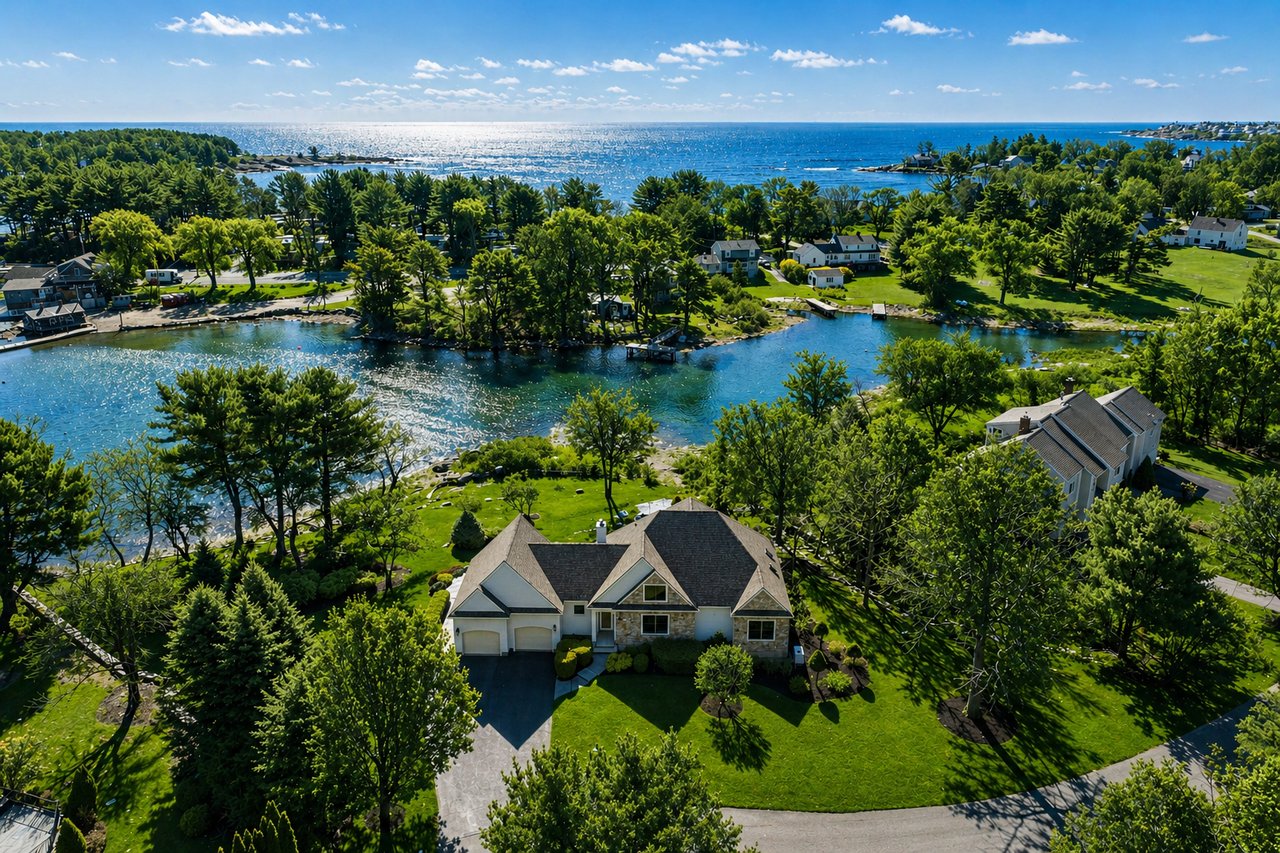
Wells is not one single beach market. Town planning materials identify Wells Beach, Drakes Island, and Moody Beach as barrier sand-dune environments, with frontal dunes and much of the back dune in several areas considered erosion-hazard zones. That means buyers often look beyond the Wells address and focus on exactly where a home sits in relation to the sand, dunes, roadways, and public access points.
For pricing, that creates distinct micro-markets. A direct oceanfront home, a house across from Crescent Beach, and a cottage that requires a short walk to access may all appeal to similar buyers, but they do not trade at the same level. In Wells, a few hundred yards can make a major difference in value.
Beach proximity creates the biggest spread
If you are pricing a beach house in Wells, proximity to the beach should be one of your first filters. Recent sales show a clear value ladder from true beachfront to near-beach to walkable beach access. That pattern matters because buyers are often paying for convenience, views, and the feel of being close to the water.
A few recent sales help show the spread:
- 285 Atlantic Ave sold for $1.8 million in August 2025 and was described as directly on Wells Beach.
- 301 Webhannet Dr sold for $1,025,000 in March 2026 and was described as across the street from Crescent Beach.
- 347 Webhannet Dr sold for $884,000 in May 2026 and was described as a short walk to beach access.
These are not interchangeable comps. They show how location relative to the shoreline can shift value by hundreds of thousands of dollars, even before you account for condition, views, or parking.
Parking matters more than many sellers think
In a beach town, parking is not a small detail. Wells uses regulated public beach parking during the season, including metered beach lots from the Saturday of Memorial Day weekend through Columbus Day or Indigenous Peoples' Day. The town notes $5 per hour metered parking, no overnight parking, and separate public lots at Wells Beach, Drakes Island, Crescent Beach, and Harbor Beach.
Because of those rules, buyers often place real value on off-street parking, garages, and the ease of hosting guests. A home with a garage or multiple private spaces may stand out more than a seller expects. That is one reason 301 Webhannet Dr's two-car garage and 285 Atlantic Ave's five parking spaces are meaningful pricing details, not just listing features.
Condition can push value higher
Beach buyers often want to start enjoying the property right away. In many cases, they are not only buying a home. They are also buying time, convenience, and a smoother first season of ownership. That makes turnkey condition an important part of pricing.
The recent Wells sales support that idea. 301 Webhannet Dr was fully renovated down to the studs, sold furnished, and was marketed as storm-resistant. Seasonal cottages at 412 Post Rd also show how maintenance level and rental readiness can influence what buyers are willing to pay in smaller-format beach properties.
When you price your home, ask an honest question: is it truly move-in ready for today’s buyer, or will a buyer see immediate projects? The answer can affect list price, buyer urgency, and time on market.
Rental history adds value only when documented
For some Wells buyers, especially second-home buyers and small investors, rental income can be part of the value story. But in Wells, that story needs to be legal and well documented. The town’s land-use code requires short-term rentals to be licensed and permit-approved, with standards tied to parking, occupancy, and septic capacity.
That means not all rental history carries the same weight. A property with legal, documented short-term rental use may support a stronger pricing case than a property with informal or unclear income claims. The sale of 412 Post Rd #156, marketed as a seasonal cottage with strong rental history, is a good example of how rental performance can help shape value when the use is properly presented.
Flood and erosion exposure affect buyer math
Coastal beauty is powerful, but buyers also think practically. In Wells, that includes erosion, flood exposure, and how a home sits within a dune environment. The town’s planning materials note erosion-hazard areas in beach locations including Wells Beach, Drakes Island, and Moody Beach, and Maine agencies also identify coastal erosion and flooding as persistent hazards.
This does not mean every beach-area property should be discounted heavily. It does mean pricing should reflect risk realistically. If a buyer expects more exposure, more insurance considerations, or more questions about elevation and site conditions, that can affect what they are willing to pay.
Use the right comps for the right property
One of the biggest pricing mistakes in Wells is using broad town-wide comparables. A seasonal cottage on Post Road should not be priced like a direct beachfront home on Atlantic Avenue. A short-walk property should not be valued as if it has the same access and experience as a house directly across from the sand.
A better approach is to build separate comp sets based on how buyers actually shop. In Wells, that usually means grouping properties like this:
- Direct oceanfront homes
- Across-the-street or very near-beach homes
- Short-walk beach-access homes
- Seasonal cottage communities
- Condos or resort-style seasonal units
From there, adjust for the features buyers care about most, including:
- Parking and garage space
- Condition and renovation level
- Views
- Furnishings and turnkey appeal
- Rental history and compliance
- Lot position and access convenience
This is where local pricing discipline matters. Two homes can share the same ZIP code and still compete in very different price bands.
Current Wells market conditions favor realistic pricing
The broader market also matters when pricing your beach house. Recent public market snapshots point to a market that rewards realistic list prices. Redfin’s 04090 market data for the three months ending May 2026 shows a median sale price of $502,351, median days on market of 62, and about one offer per home on average.
Realtor.com data using April and May 2026 figures shows a median listing price of $685,000, a median sold price of $522,656, 125 homes for sale, and a 96% sale-to-list ratio. It also reported that homes sold for about 4.04% below asking in March 2026. While the numbers differ by methodology, the takeaway is consistent: overpricing can cost time.
In a market where homes may sit for about two months, the strongest list price is often the one that feels defensible from day one. Buyers notice when a property starts too high and then has to chase the market down.
Timing can help your pricing strategy
In Wells, timing and pricing work together. Beach visibility rises as the seasonal pattern comes into focus. The town’s beach parking permit season begins Memorial Day weekend and runs through Columbus Day or Indigenous Peoples' Day, with lifeguards on duty daily from the last week of June through Labor Day.
That local rhythm can make late spring and early summer an important marketing window for coastal listings. If your property is coming on the market ahead of peak beach use, buyers may more easily picture the seasonal lifestyle, access patterns, and convenience your home offers. Strong presentation paired with a well-supported price can make that window work harder for you.
A smart Wells pricing process
If you are preparing to sell, a practical pricing process can keep you focused on what the market will support. In Wells, that process should be data-driven and location-specific.
A strong starting framework looks like this:
- Identify your true micro-market within Wells.
- Pull comps that match your beach relationship, not just your town.
- Adjust for parking, views, condition, and renovation level.
- Factor in documented rental use only if it is compliant and transferable.
- Consider any flood or erosion exposure that buyers are likely to weigh.
- Set a list price that is competitive from the first week on market.
This approach helps you avoid the most common beach-house pricing trap: assuming the shoreline story alone will carry the number. In Wells, buyers are drawn to lifestyle, but they still compare carefully.
Why local presentation still matters
Price is the headline, but presentation shapes how buyers interpret that number. In a coastal market, professional photography, clear positioning, and a polished listing story can help buyers understand why one home deserves a premium over another. That is especially true when your home offers strengths that are not obvious from square footage alone, such as parking ease, turnkey finishes, or a simpler path to beach access.
When pricing and presentation work together, buyers are more likely to see value early. That can support stronger interest and reduce the risk of sitting too long.
If you are thinking about selling a beach house in Wells, the goal is not to chase the highest possible number on paper. It is to choose a price that reflects how buyers actually compare coastal homes in this market. For a tailored strategy built around your location, property features, and current competition, reach out to Great Seacoast Home.
FAQs
How should you price a beach house in Wells, Maine?
- Start with the home’s exact micro-market, then compare it to similar nearby sales based on beach proximity, parking, condition, views, and any documented rental use.
What affects beach house value most in Wells?
- Beach proximity is one of the biggest drivers, but parking, turnkey condition, rental compliance, and flood or erosion exposure also play a major role.
Do parking spaces increase value for Wells beach homes?
- Yes. Because Wells has seasonal public parking rules, private off-street parking and garages can be meaningful value drivers for buyers.
Does short-term rental history help price a Wells property?
- It can, but only when the rental use is legal, licensed, permit-approved, and supported by documentation that strengthens the pricing case.
Is overpricing a Wells beach house risky?
- Yes. Recent market data suggests realistic pricing matters in Wells, where homes can take time to sell and sale-to-list ratios show buyers are negotiating.
When is the best time to list a beach house in Wells?
- Late spring and early summer can be strong because beach activity, permit season, and seasonal buyer interest are ramping up.