If you are torn between a farmhouse and a riverfront home in Eliot, you are not just choosing a look. You are choosing how you want to live day to day in a town shaped by both working land and working water. The right fit depends on what matters most to you, and this guide will help you weigh the real tradeoffs with confidence. Let’s dive in.
Why This Choice Feels So Different in Eliot
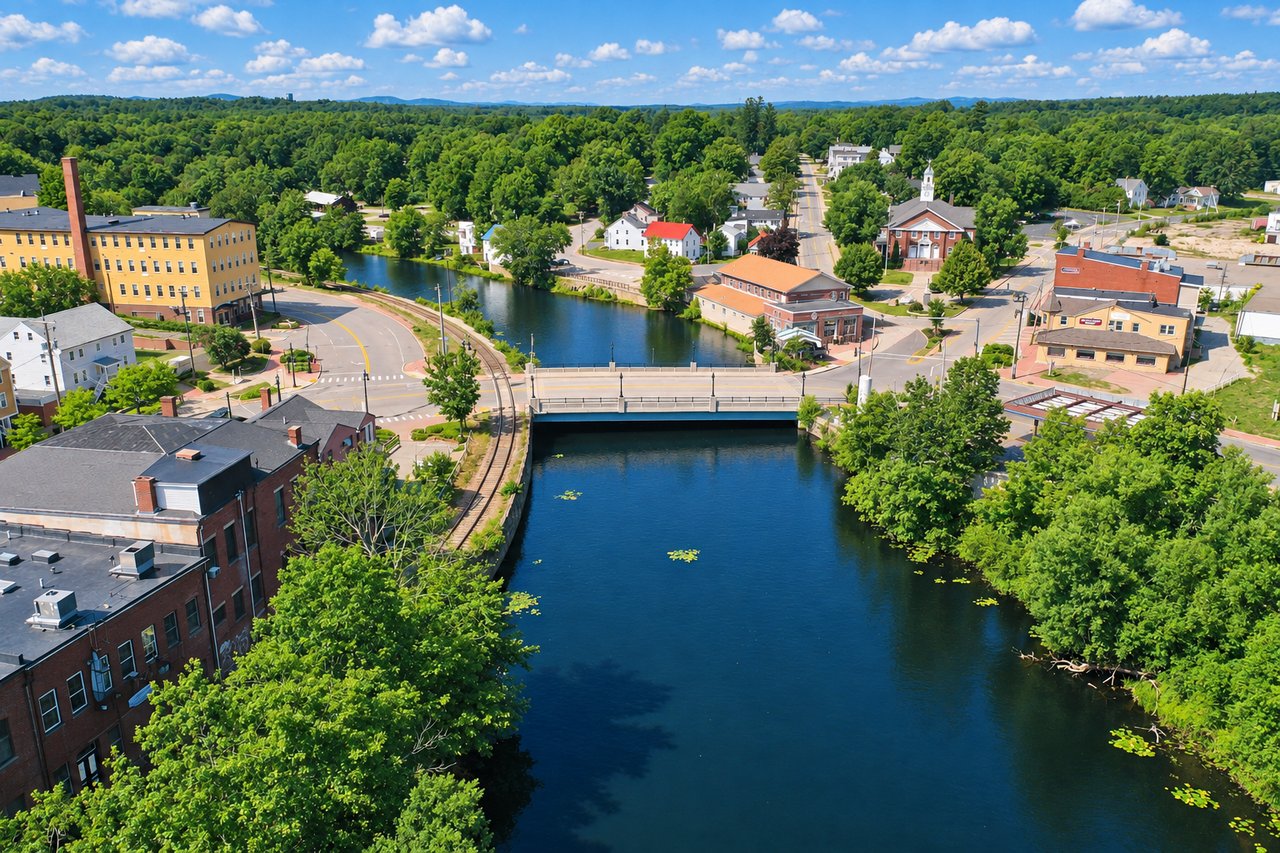
Eliot is not a place where this decision comes down to curb appeal alone. The town describes itself as rural, with deep roots in shipbuilding, fishing, and farming, and its location along the Piscataqua River gives buyers access to both inland acreage and waterfront living.
That matters because farmhouse and riverfront properties in Eliot often deliver very different benefits. One tends to offer land, outbuildings, and flexibility. The other tends to offer views, shoreline access, and a direct connection to the water.
What Farmhouses Usually Offer
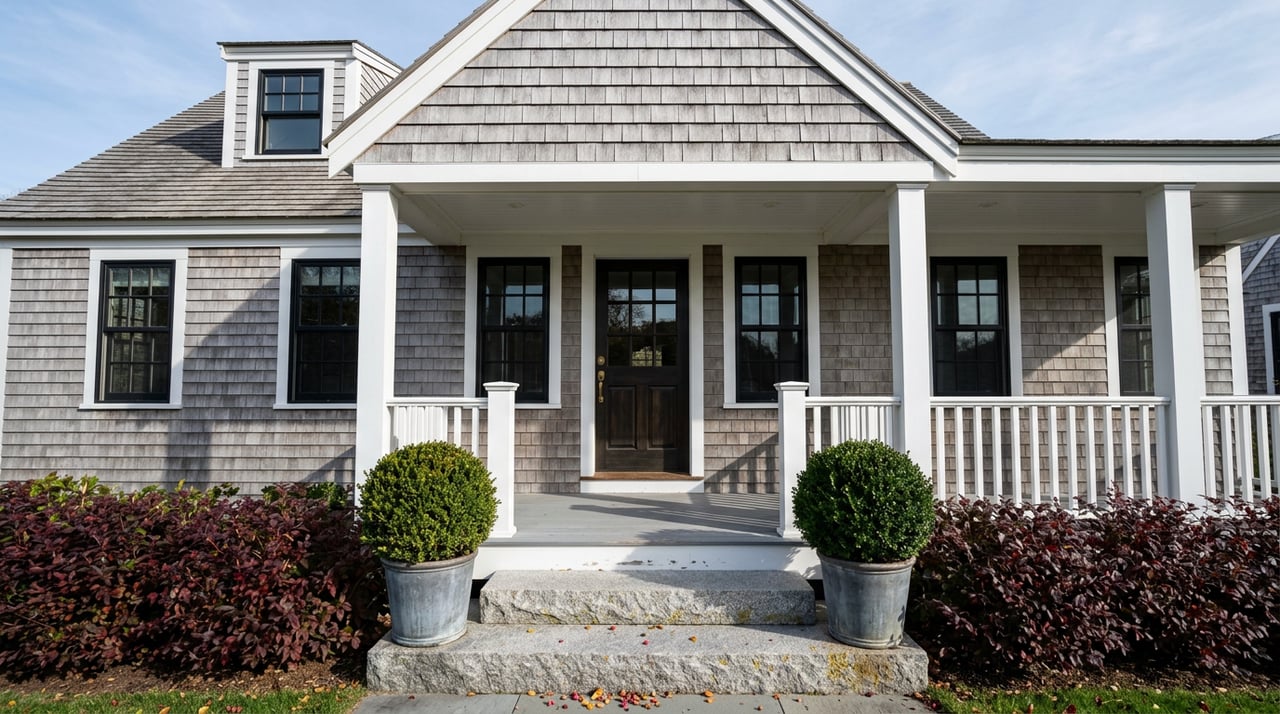
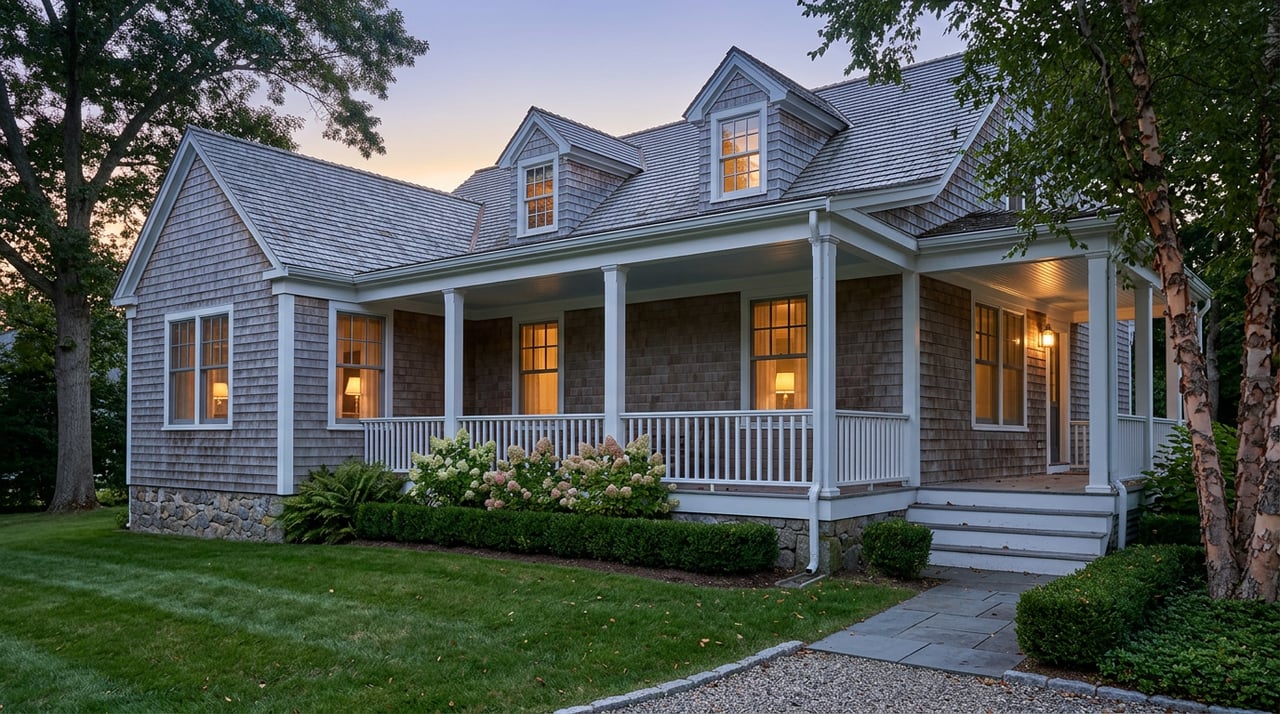
In Eliot, farmhouses are typically found in rural, village, suburban, or roadside settings rather than directly on the shore. Many buyers are drawn to these homes for more than their style, especially when a property includes acreage, a barn, workshop space, or older details that reflect Eliot’s agricultural history.
The town’s agricultural planning documents point to active farm operations, farm stands, CSA activity, and a lasting rural character. That helps explain why farmhouse buyers often focus on usable land and outbuildings just as much as kitchens, baths, and finishes.
Public listings show a wide range within this category. Examples have included an antique farmhouse on State Road with 1.71 acres, a barn, and detached garage, a modern farmhouse-inspired home on 1.87 acres, and a custom farmhouse compound on 9.6 acres with a detached ADU, private well, and private septic.
Best Fit for Farmhouse Buyers
A farmhouse may be the better choice if you want:
- More land for gardening, hobbies, or outdoor use
- Extra storage in barns, garages, or workshops
- Greater separation from neighbors through acreage
- A home that feels connected to Eliot’s agricultural landscape
- Flexibility for accessory structures or multi-use space
For many buyers, the appeal is simple. You get room to spread out and shape the property around the way you actually live.
What Riverfront Homes Usually Offer
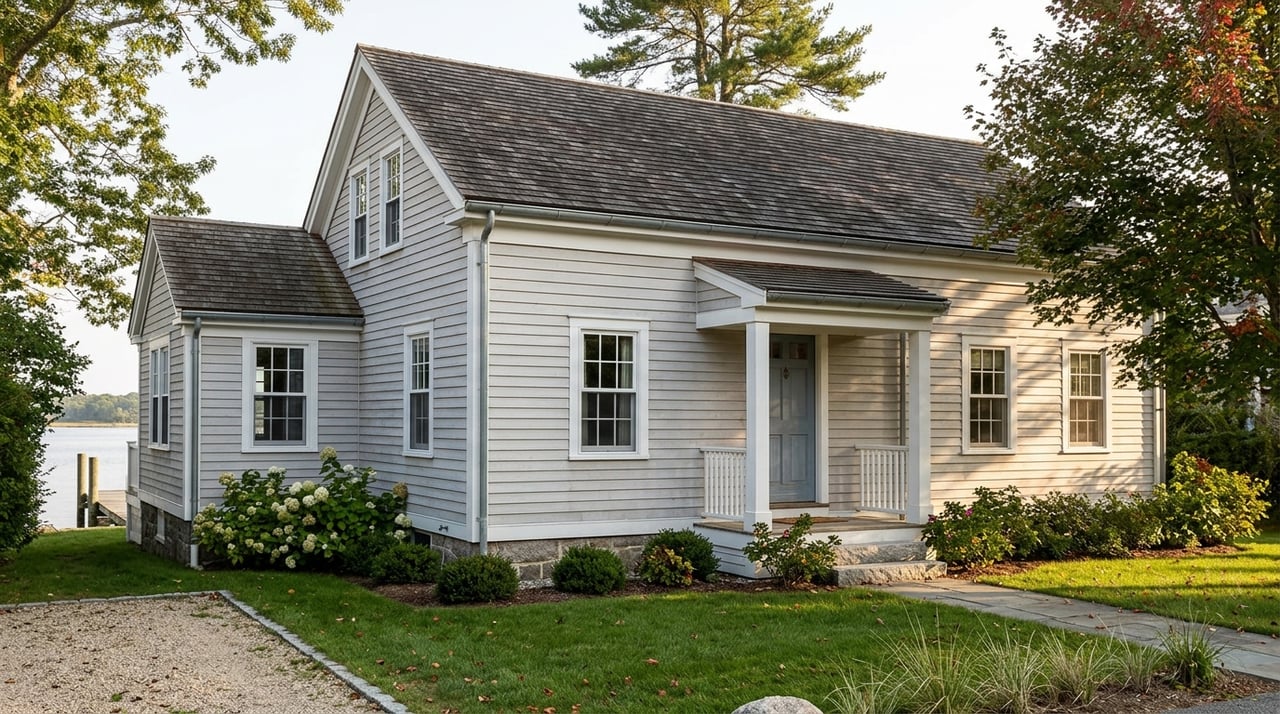
Riverfront homes in Eliot are usually located along the Piscataqua River or Spinney Creek. These properties are often defined by frontage, views, boating access, and outdoor spaces that make the most of the shoreline.
Recent listings show how varied this category can be. Buyers have seen everything from a Spinney Creek waterfront home with roughly 310 feet of frontage and a tidal estuary setting, to homes with shared dock access, to high-end properties with private deep-water docks and quick harbor access.
The experience can be very different depending on where the home sits. A tidal creek setting may be ideal for kayaking, bird-watching, and enjoying changing water levels, while a Piscataqua-front property may be a stronger fit if you want more boating-oriented access.
Best Fit for Riverfront Buyers
A riverfront home may be the better choice if you want:
- Direct water views from home
- Shoreline access at your doorstep
- A property designed around boating or kayaking
- Outdoor entertaining with a waterfront backdrop
- A lifestyle centered on the Piscataqua or tidal inlets
For many buyers, the draw is emotional as much as practical. Living near the water changes the rhythm of a home, from morning views to evenings outside by the shore.
Land Versus Water: The Real Lifestyle Tradeoff
In Eliot, this is often the biggest difference. Farmhouse properties frequently put more of their value into acreage, privacy, barns, and flexible land use. Riverfront homes often put more of their value into frontage, views, dock access, and shoreline improvements.
That does not mean one type is always more affordable than the other. Recent Eliot listings suggest both categories span a wide price range, and value drivers are different in each one.
How Privacy Shows Up Differently
If privacy is high on your list, both property types can work, but they create privacy in different ways. A farmhouse often creates privacy through lot depth, open land, and distance from neighboring homes.
A riverfront property may create privacy through shoreline position, setback buffers, and seclusion along the water. In other words, both can feel quiet and private, but the source of that feeling is usually not the same.
How Daily Life May Feel Different
A farmhouse may better support projects, storage needs, pets, gardening, and outdoor hobbies. Riverfront living may better support boating, kayaking, entertaining, and a stronger visual connection to the landscape every day.
If your ideal weekend involves a barn, workshop, or wide lawn, farmhouse living may feel natural. If your ideal weekend starts with coffee overlooking the river and ends with time on the water, a riverfront property may be worth the added complexity.
Boating Access Does Not Always Require Waterfront Ownership
This is one of the most useful things to know before you buy. Eliot offers public water access, so you may not need to purchase direct river frontage just to enjoy boating or launching a kayak.
The town’s marine resources materials identify the Eliot Boat Basin as a public paved ramp and float, and the Pleasant Street Boat Ramp as another public access point. Eliot also handles mooring permits through the town, with applications, renewals, and waiting list options managed through the Harbormaster.
That means you can separate two questions. Do you want to live on the water, or do you simply want convenient access to it? For some buyers, that distinction opens up better value and more options.
What to Expect With Maintenance and Oversight
Lifestyle is only half the equation. The upkeep and rules attached to each property type can shape your long-term experience just as much as the setting itself.
Riverfront Homes: More Review, More Due Diligence
Riverfront buyers in Eliot should pay close attention to floodplain and shoreland rules early in the process. The town’s Code Enforcement Officer administers flood plain ordinance and shoreland zoning, and shoreline properties may be subject to setback rules, vegetation clearing limits, and review of piers or similar structures.
The town notes that new buildings typically face about a 75-foot shoreline setback. It also states that new or expanded pier systems are reviewed for consistency with shoreland zoning.
This means you should confirm details before you make assumptions about future changes. If a home has a dock, pier, or shoreline structure, it is smart to verify whether it is legal, whether any part may be nonconforming, and whether future modifications would require town review.
Riverfront Questions to Ask Early
Before making an offer, ask about:
- Flood-zone status
- Current insurance estimates
- Shoreland zoning overlays
- Dock, pier, or float approvals
- Shared versus private water access
- Any limits on rebuilding or expansion
The closer a property sits to the water, the more important these questions become.
Farmhouses: Different Systems, Different Upkeep
Farmhouses usually avoid shoreline oversight, but they often bring their own maintenance list. Older homes, barns, detached structures, long driveways, drainage issues, wells, and septic systems can all add to the work of ownership.
Recent Eliot listings make that clear. Some farmhouse properties include barns and detached garages, while others include private well and septic systems, irrigation, detached accessory units, and multiple structures across larger lots.
This does not make a farmhouse more difficult by default. It simply shifts your attention from flood and dock concerns to land and building systems. For many buyers, that trade feels well worth it, but it should still be part of your budget planning.
Cost Differences Often Come From Upkeep
Eliot’s FY26 tax rate is $11.25 per $1,000 of valuation, so there is not a separate town tax structure for farmhouses versus riverfront homes. In practice, the bigger cost differences usually come from the home’s purchase price, assessed value, insurance needs, and ongoing maintenance.
For a riverfront home, that may mean added cost tied to flood exposure, shoreline structures, or water-facing maintenance. For a farmhouse, that may mean expenses related to barns, acreage, drainage, well and septic systems, or an older home’s ongoing care.
Commute and Convenience Still Matter
Even in a lifestyle-driven decision, everyday convenience should not be ignored. Eliot’s planning materials note that Route 236 is the town’s main corridor and connects through Eliot from the I-95 ramps in Kittery.
That means your exact address can have a real effect on your routine. Buyers who want easier weekday access to commuting routes and errands may prefer a farmhouse or inland home closer to Route 236, while buyers who put water first may be more comfortable with a quieter address and a more specific drive pattern.
A Simple Way to Decide
If you are still deciding, start by being honest about how you want to use the property most days, not just on the best summer weekends. The right answer often becomes clearer when you focus on daily life instead of dream imagery.
A farmhouse may be the better fit if you want space, storage, flexibility, and land that supports the way you live. A riverfront home may be the better fit if you value views, direct access, and a home experience shaped by the water.
In Eliot, both options can be compelling. The smartest move is to match the property type to your routine, your maintenance comfort level, and the kind of place you want to come home to.
Smart Due Diligence Before You Buy
No matter which direction you lean, a few early checks can save you time and stress.
- Review the town GIS for general zoning and shoreland zoning
- Confirm flood-zone status before offering on riverfront property
- Ask for an insurance estimate early on waterfront homes
- Verify whether water access is private, shared, deeded, or public-launch based
- Inspect wells, septic, barns, drainage, and outbuildings carefully on farmhouse properties
- Treat recent listings as examples, not fixed pricing benchmarks
If you want help comparing Eliot properties through both a lifestyle and practical lens, Great Seacoast Home can help you look beyond the photos and focus on what truly fits your goals.
FAQs
What is the biggest difference between farmhouses and riverfront homes in Eliot?
- In Eliot, the biggest difference is usually land versus water. Farmhouses often offer acreage, outbuildings, and flexibility, while riverfront homes often offer frontage, views, and direct shoreline access.
Are riverfront homes in Eliot always more expensive than farmhouses?
- No. Recent public listings show wide price ranges in both categories. Riverfront value is often driven by frontage, dock quality, and water access, while farmhouse value is often driven by acreage, condition, and auxiliary structures.
Do you need to buy waterfront property in Eliot to enjoy boating?
- Not always. Eliot has public access points including the Eliot Boat Basin and Pleasant Street Boat Ramp, and the town handles mooring permits through the Harbormaster.
What should buyers check before buying a riverfront home in Eliot?
- Buyers should verify flood-zone status, insurance costs, shoreland zoning, setback limits, and whether any dock, pier, or shoreline structure is approved and compliant.
What should buyers inspect on a farmhouse property in Eliot?
- Buyers should closely inspect wells, septic systems, barns, drainage, detached structures, and the condition of any older home systems or long driveways.
Is commuting easier from some parts of Eliot than others?
- Yes. Eliot’s planning materials identify Route 236 as the main corridor, so proximity to that route can affect commute times and day-to-day convenience depending on the property location.