If you picture waterfront living as something reserved for weekends and postcard views, Pepperrell Cove may surprise you. In Kittery Point, the water is not just scenery. It shapes errands, meals, morning walks, and the rhythm of the day. If you are curious about what it actually feels like to live near this harbor, this guide will help you understand the setting, the routines, and the appeal. Let’s dive in.
Pepperrell Cove Feels Lived-In
Pepperrell Cove sits within Kittery’s long maritime history, and that context matters. Kittery was founded in 1647, and the town connects its early economy to timber, seafaring, trading, and shipbuilding. Around the cove, that history still feels present because the waterfront remains active rather than purely scenic.
The town describes Pepperrell Cove as a well-protected harbor with easy ocean access. It was dredged as a mooring field in 1914, and today it has more than 200 moorings used by sailboats, powerboats, and commercial fishing boats. That kind of everyday use gives the area a practical, working-harbor feel.
Daily Life Centers on the Harbor
In many waterfront areas, the shoreline is something you visit. Around Pepperrell Cove, it functions more like a daily center of gravity. The town dock area includes transient moorings, a public restroom, restaurants, a post office, and a general store.
That mix of uses shapes how the neighborhood feels. You may see people heading out on boats, stopping for coffee, picking up small essentials, or walking down to the dock to check conditions on the water. It is a place where marine activity and daily routines overlap.
The cove’s entrance from the ocean is marked by lighthouses and other landmarks, and boats can also anchor off Fort McClary when moorings are unavailable. For residents and visitors alike, that means the harbor is tied to real movement and access, not just views from shore.
Boating Is Part of the Pattern
If you are drawn to waterfront property because you want to be close to boating, Pepperrell Cove offers real infrastructure for it. Kittery’s Harbormaster oversees marine law enforcement, rescue, and education in the town’s tidal waters. That level of oversight reflects an active harbor environment.
The Kittery Point Town Pier, also known as Frisbee’s Pier, is identified by the Maine Department of Marine Resources as a busy Portsmouth Harbor access site. It includes two piers, a floating dock, and a part-tide paved boat ramp. Temporary docking is allowed, and the site is also used regularly by commercial fishermen.
That said, everyday waterfront life here comes with practical details. The boat ramp is not usable at low tide, and parking is limited. If you are exploring homes in the area, those details are worth noting because they affect how easily you can plan a launch, pickup, or short stop by the pier.
Shore Access Goes Beyond Boat Ownership
You do not need to own a boat to enjoy living near Pepperrell Cove. The same public access areas that support harbor use also support shoreline routines like walking, fishing, and taking in the water. Shore fishing is permitted at the town pier, and the site is known as a fishing spot for mackerel and winter flounder.
The broader Kittery shoreline adds even more options nearby. Town planning sources describe 34 miles of shoreline in Kittery, along with public recreational areas that include Seapoint Beach, Crescent Beach, and Fort Foster. Crescent Beach is described as a walking area, while Seapoint Beach is used by both residents and nonresidents.
Fort McClary adds another dimension to the local lifestyle. It is a 37-acre state historic and recreation site at the mouth of the Piscataqua River, and local materials present it as both a historic destination and a place to access the coast. For many buyers, that combination of nearby history and open-air shoreline use is part of what makes Kittery Point appealing year-round.
Dining and Gathering Happen at the Water
Pepperrell Cove is not only about boats and moorings. It is also a social place where people gather in casual, waterfront ways. The current waterfront complex includes The View, Bistro 1828, Provisions, and Frisbee’s Wharf.
Provisions serves as a general store and coffee shop, which reinforces the everyday nature of the cove. Frisbee’s Wharf operates as a seasonal outdoor lobster shack serving seafood and fish fresh off the dock. The View overlooks the waterfront and adds event space to the mix.
Taken together, those places make the harbor feel social without feeling overbuilt. You can imagine a day that starts with coffee, includes time by the pier, and ends with seafood by the water. That is a very different experience from a waterfront setting that goes quiet once the tourists leave.
History Still Shapes the Setting
Pepperrell Cove’s identity is closely tied to its past. The waterfront site notes that the cove’s history reaches back to the 1600s and that Sir William Pepperrell owned more than 130 ships operating out of the cove. It also notes that the Frisbee family donated the waterfront pier to the town in 1955.
That long history is visible beyond the waterfront itself. The Maine Historic Preservation Commission highlights the William Pepperrell House and the Lady Pepperrell House in Kittery Point, with the latter recognized as a National Historic Landmark and an example of High-Georgian architecture. These details reinforce the sense that Kittery Point is one of those rare coastal places where the built environment still reflects centuries of development.
For buyers, this often translates into a stronger feeling of place. The neighborhood does not feel manufactured around a lifestyle concept. It feels shaped over time by maritime use, preservation, and steady residential life.
Side Streets Feel Residential and Quiet
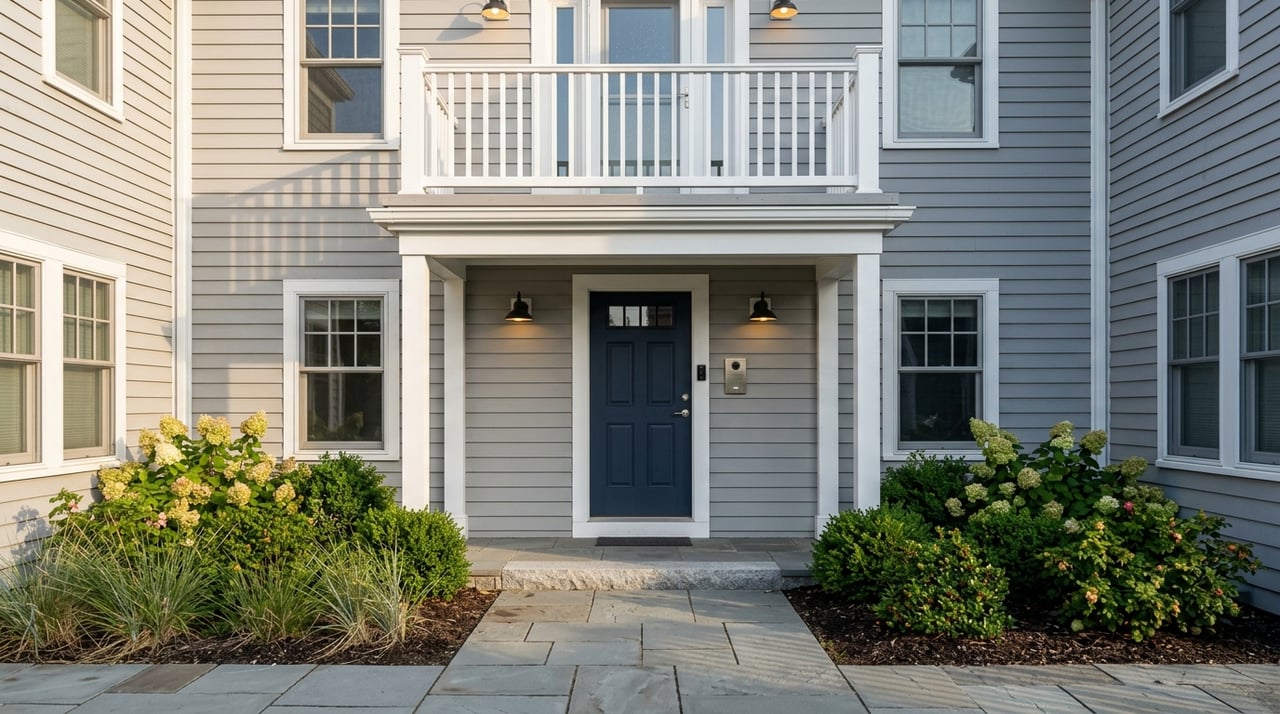
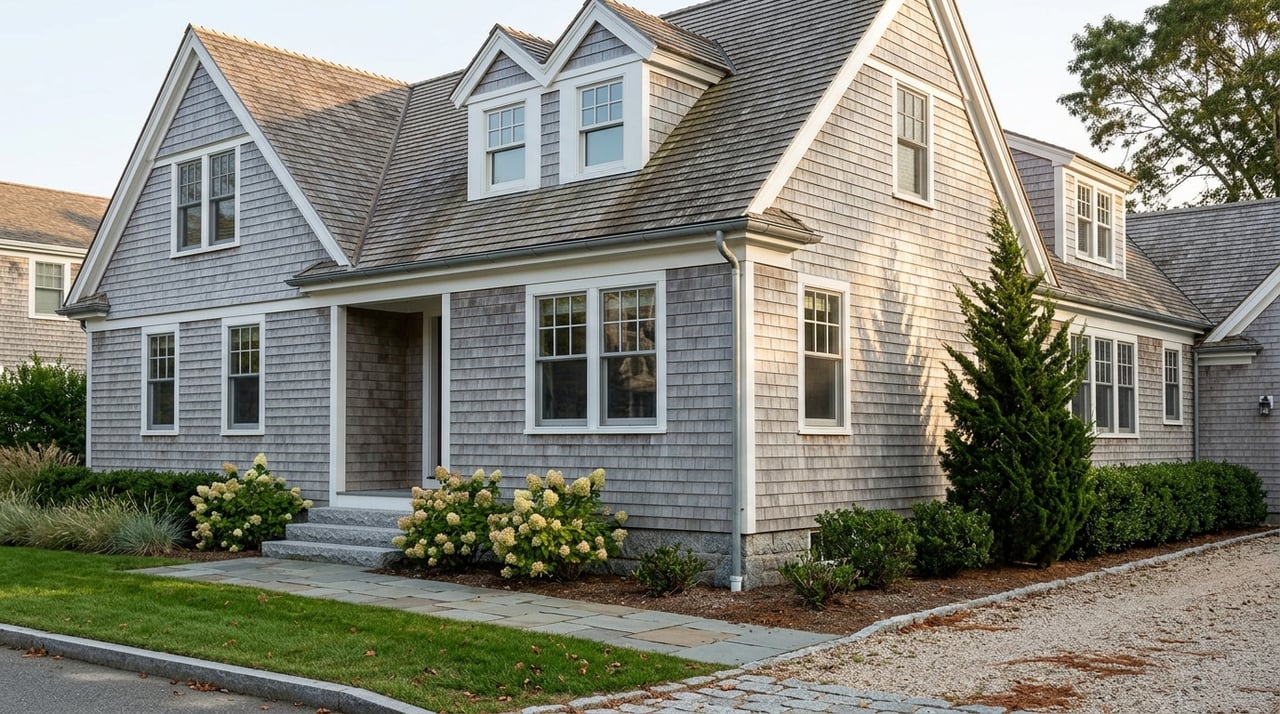
Beyond the harbor activity, the side streets around Pepperrell Cove have a different pace. Kittery’s comprehensive plan describes Kittery Point Village as a scattered village rather than a compact one. It also notes significant open space, many large lots, and the majority of Kittery’s oldest buildings.
Current zoning in the R-KPV district is designed to preserve the established character and historical development pattern of Kittery Point. The district includes a 40,000-square-foot minimum lot size and 150-foot minimum street frontage. Those standards help explain why the area often feels more open and low-density than denser village centers elsewhere.
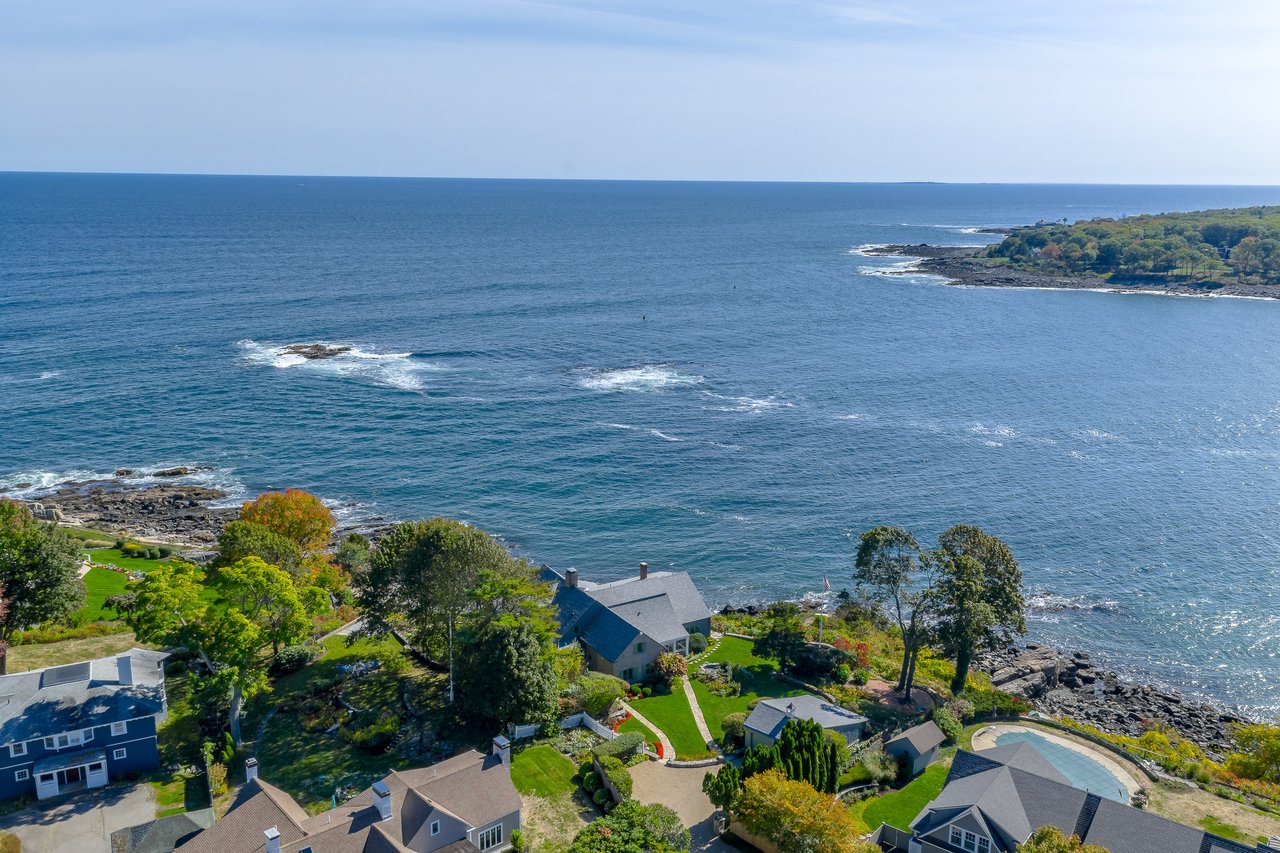
A town housing inventory adds another layer, noting that along the Kittery Point coastline, older and more historical homes sit on smaller lots overlooking the water. For someone home shopping here, that means the housing pattern can vary, but the overall impression remains rooted in preservation and a quieter village form.
What Buyers Often Notice First
If you are touring homes or browsing listings near Pepperrell Cove, a few practical points tend to stand out quickly. This is a waterfront area where access and routine are shaped by the harbor itself. Tides, parking, dock activity, and seasonal patterns are part of the experience.
Here are a few details worth keeping in mind:
- The harbor is active, with sailboats, powerboats, and commercial fishing boats using the mooring field.
- The town dock area includes daily conveniences like a general store, post office, and dining spots.
- The public boat ramp is part-tide, so access changes with water levels.
- Parking near the pier is limited.
- Nearby shoreline recreation includes beaches, walking areas, and Fort McClary.
For many buyers, these are not drawbacks. They are part of what makes the area feel real. The waterfront here is not staged. It is used, valued, and woven into daily life.
Why Pepperrell Cove Appeals to Many Buyers
Pepperrell Cove can appeal to several kinds of coastal buyers because it offers more than one version of waterfront living. Some people are drawn to the boating access and harbor setting. Others are more interested in the historic homes, village pattern, and nearby shoreline places.
It also works for buyers who want a coastal setting that feels active but not overly busy. The documented pattern is a working waterfront with coffee, seafood, moorings, historic houses, and a low-intensity village form. That balance is a big part of its charm.
If you are looking in Kittery Point, it helps to understand not just the homes, but also the daily habits a place supports. Around Pepperrell Cove, waterfront life is about function as much as beauty. That is often what gives the area its staying power.
If you are thinking about buying or selling near Pepperrell Cove or elsewhere in southern York County, Great Seacoast Home offers broker-led guidance grounded in local coastal knowledge and a thoughtful, personalized approach.
FAQs
What is everyday life like around Pepperrell Cove in Kittery Point?
- Everyday life around Pepperrell Cove centers on an active harbor, with boats, waterfront dining, a general store, a post office, and regular shoreline activity shaping the feel of the area.
Is Pepperrell Cove a working waterfront or mainly a scenic area?
- Pepperrell Cove is a working waterfront. Town sources describe a protected harbor with more than 200 moorings used by sailboats, powerboats, and commercial fishing boats.
Can you access boating facilities at Pepperrell Cove?
- Yes. The Kittery Point Town Pier has two piers, a floating dock, and a part-tide paved boat ramp, though the ramp is not usable at low tide and parking is limited.
What amenities are near Pepperrell Cove?
- The town dock area includes restaurants, a public restroom, a post office, transient moorings, and a general store, with nearby access to beaches and Fort McClary.
What is the neighborhood character around Pepperrell Cove?
- Planning documents describe Kittery Point Village as a scattered village with open space, large lots, and many of Kittery’s oldest buildings, creating a residential and preservation-minded feel.
Are there things to do near Pepperrell Cove without a boat?
- Yes. Nearby options include shore fishing at the pier, walking areas like Crescent Beach, coastal visits to Seapoint Beach, and outdoor time at Fort McClary.