Dreaming about a place where you can arrive on a Friday, drop your bags, and start enjoying the coast without a long to-do list? That idea is a big reason turnkey condos catch the eye of second-home buyers in Ogunquit. If you want a low-maintenance getaway near the beach, scenic walks, and dining, this kind of property can offer a practical path to coastal ownership. Let’s take a closer look at why these homes stand out, and what you should review before you buy.
Why Ogunquit Fits Second-Home Living
Ogunquit is officially described by the town as a resort town, and that identity shapes how you experience it as an owner. Many of the town’s best-known attractions sit within a compact, walkable area, which can make a second home feel easy to use from the moment you arrive.
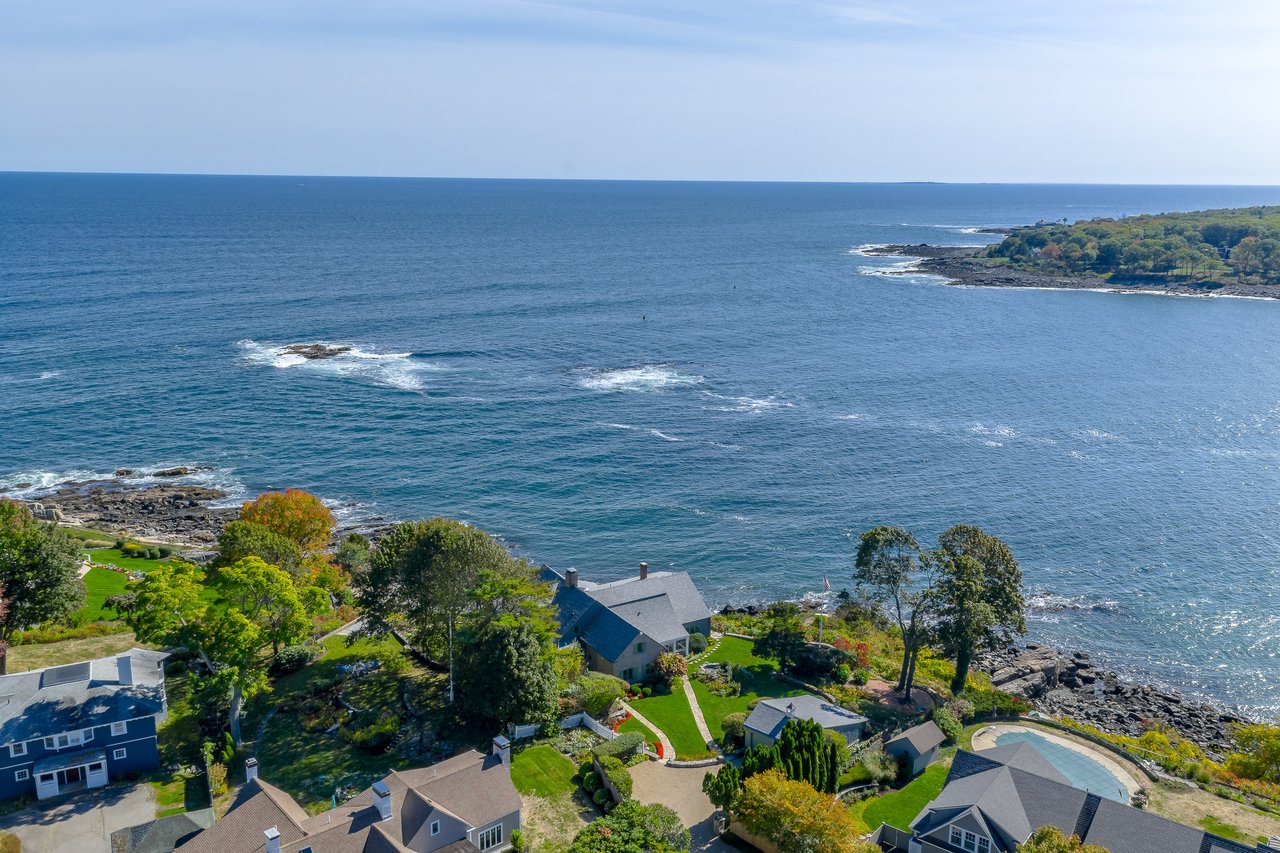
One of the clearest examples is Marginal Way. The town describes it as a 1.25-mile paved cliff walk that begins near The Sparhawk Resort on Shore Road and ends in Perkins Cove, with views of the ocean, beach, and rock formations. The Maine Historic Preservation Commission notes that Marginal Way was preserved for public use and became part of Ogunquit’s tourism culture and economy.
For you as a second-home buyer, that matters because so much of the classic Ogunquit experience is concentrated nearby. Beach access, scenic walking, dining, and the harbor feel of Perkins Cove all sit within the same general resort footprint. That can support the kind of ownership many seasonal buyers want: simple, enjoyable, and easy to return to again and again.
What “Turnkey Condo” Often Means
In everyday real estate language, “turnkey” usually suggests a home that is ready to enjoy with minimal immediate work. In a condo setting, that appeal often goes beyond the unit itself.
Under Maine condominium law, a condominium is real estate with separately owned units and common elements. The law also allows associations to adopt budgets, collect assessments, and regulate maintenance, repair, replacement, and modification of common elements. In practice, that structure is one reason condos often suit a lock-and-leave ownership style.
That does not mean every Ogunquit condo offers the same level of ease. The shared services, maintenance responsibilities, and building rules can vary a lot from one association to another. Before you assume a condo is truly low maintenance, you need to confirm exactly what the dues cover.
Why Condos Appeal to Seasonal Buyers
For many second-home buyers, the biggest draw is simplicity. If your goal is to spend your time enjoying Ogunquit instead of coordinating exterior upkeep, a condo can line up well with that lifestyle.
You may have less shared-property maintenance to think about because the association often handles common-area responsibilities. That can be especially appealing if you live out of state, use the property mainly on weekends, or plan to leave it vacant for stretches of the year.
In a coastal resort town, convenience matters. Ogunquit’s seasonal pattern includes town-managed visitor parking lots and summer Ocean Rescue operations at Ogunquit Beach. Those services reflect a place built around seasonal activity, and many buyers prefer a homeownership model that feels just as manageable.
Walkability Adds Real Convenience
A turnkey condo in Ogunquit can be attractive not only because it is easier to maintain, but also because of where it places you. In a town known for beach days, coastal views, and a compact village feel, location can shape how often and how easily you use the home.
If you can park the car and spend more of your visit on foot, the property may fit the relaxed pace many second-home buyers want. Being near the beach, Marginal Way, and Perkins Cove can make short stays feel fuller and more rewarding.
That is especially valuable if your time is limited. When a weekend home is easy to access and easy to enjoy, you may get more use and satisfaction from it.
The Condo Documents You Should Review
The appeal of turnkey living is real, but so is the need for careful due diligence. In Maine, condo buyers have a strong records-based path for understanding what they are buying.
The key documents to review include:
- Declaration
- Bylaws
- Rules and regulations
- Current budget
- Reserve information
- Financial statements
- Insurance information
- Resale certificate
Maine’s resale-certificate law requires detailed disclosures. The certificate must include the monthly common expense assessment, unpaid common or special assessments, other fees, anticipated capital expenditures, reserve amounts, the most recent balance sheet and income-expense statement, the current operating budget, unsatisfied judgments, insurance coverage, code violations, and any remaining lease term if the condominium is leasehold.
The law also says the association must furnish the certificate within 10 days after request and payment of any reasonable fee. Your purchase contract is voidable until the certificate is provided and for five days afterward, or until conveyance, whichever comes first. That gives you an important review window before you move forward.
Focus on Fees, Reserves, and Risk
When you are buying a coastal condo, monthly dues are only part of the picture. You also want to know whether the association is planning ahead for repairs and replacement.
Maine law provides that annual assessments must be based on an annual budget, and that budget includes reserves for repairs and replacement. That is why reserve strength matters so much. A condo that looks easy on the surface may carry more risk if reserve funding is thin or if major work is coming.
Ask direct questions such as:
- What does the monthly fee cover?
- Are reserve balances adequate for expected future repairs?
- Have there been recent special assessments?
- Are there lawsuits, code issues, or insurance concerns affecting the association?
These questions can help you understand your likely carrying costs, not just your purchase price.
Understand Common vs. Limited Common Elements
This is one detail that buyers sometimes overlook. Under Maine law, common elements are everything in the condominium other than the units, while limited common elements are parts of the common elements allocated for the exclusive use of fewer than all units.
That distinction can affect features that matter a lot in a second home. Parking, storage, balconies, decks, and patios may be part of the unit, limited common elements, or common elements depending on the condo.
For you, that can affect access, maintenance responsibility, and repair costs. If a parking spot or outdoor area is important to your lifestyle, make sure you know exactly how it is classified before you close.
Rental Rules Matter in Ogunquit
Some second-home buyers want personal use only. Others hope to offset costs by renting the unit for part of the year. In Ogunquit, you need to review both the town’s rules and the condo association’s rules.
The town’s comprehensive plan reported 366 active short-term rentals as of June or July 2023, with 82 percent identified as entire-home rentals, and noted that the count typically peaks in the third quarter. The town also says that owners renting weekly private homes, apartments, condos, or other dwelling units must obtain a business registration, and the minimum guest stay is seven days.
That means rental use is not just a casual side note. If rental flexibility matters to you, confirm whether weekly rentals are allowed by the association and whether the condo’s rules match your intended use.
Coastal Buying Requires Flood Awareness
Flood planning belongs in any coastal condo conversation. In Maine, flooding can result from coastal storms, storm surge, high astronomical tides, and wave action, according to the Maine Emergency Management Agency.
The agency also notes that homeowners insurance does not cover flood damage. Some properties may need separate flood insurance, especially if the property is in a high-risk flood zone or has a federally backed mortgage.
Even outside the highest-risk zones, flood exposure deserves a close look. Sellers in Maine must disclose flood-hazard status or prior flood events, among other property conditions. If those disclosures are delivered after the offer, you have 72 hours to terminate or withdraw.
Why the Right Guidance Helps
Turnkey condos in Ogunquit appeal to second-home buyers because they combine lifestyle and simplicity in a town built around the coast. You can enjoy walkable access to major local attractions while potentially taking on less shared-property upkeep than you would with a standalone home.
At the same time, the smartest buyers look past the word “turnkey” and dig into the documents. Fees, reserves, assessments, insurance, rental rules, flood exposure, and the exact scope of common versus limited common elements all deserve careful review.
If you are exploring condos in Ogunquit or anywhere in southern York County, working with a local team can help you compare not just homes, but ownership models. To start that conversation, connect with Great Seacoast Home for thoughtful, broker-led guidance tailored to your coastal goals.
FAQs
Why do turnkey condos in Ogunquit appeal to second-home buyers?
- They often combine low-maintenance ownership with easy access to Ogunquit’s walkable coastal attractions, including the beach, Marginal Way, and Perkins Cove.
What should you review before buying a condo in Ogunquit, Maine?
- You should closely review the declaration, bylaws, rules and regulations, budget, reserve information, financial statements, insurance information, and resale certificate.
What does the Maine resale certificate for a condo include?
- It includes items such as the monthly common expense assessment, unpaid assessments, other fees, reserve amounts, anticipated capital expenditures, budget and financial statements, insurance coverage, and certain legal or code issues.
Are weekly rentals allowed for condos in Ogunquit?
- Ogunquit requires owners renting weekly private homes, apartments, condos, or other dwelling units to obtain a business registration, and the minimum guest stay is seven days, but you also need to confirm the condo association’s rules.
Why do flood risks matter when buying a coastal condo in Ogunquit?
- Flooding in coastal Maine can come from storms, storm surge, high tides, and wave action, and homeowners insurance does not cover flood damage, so some properties may need separate flood insurance.
What are limited common elements in a Maine condo?
- They are portions of the common elements allocated for the exclusive use of fewer than all units, which can include features like parking, storage, balconies, decks, or patios depending on the condominium documents.