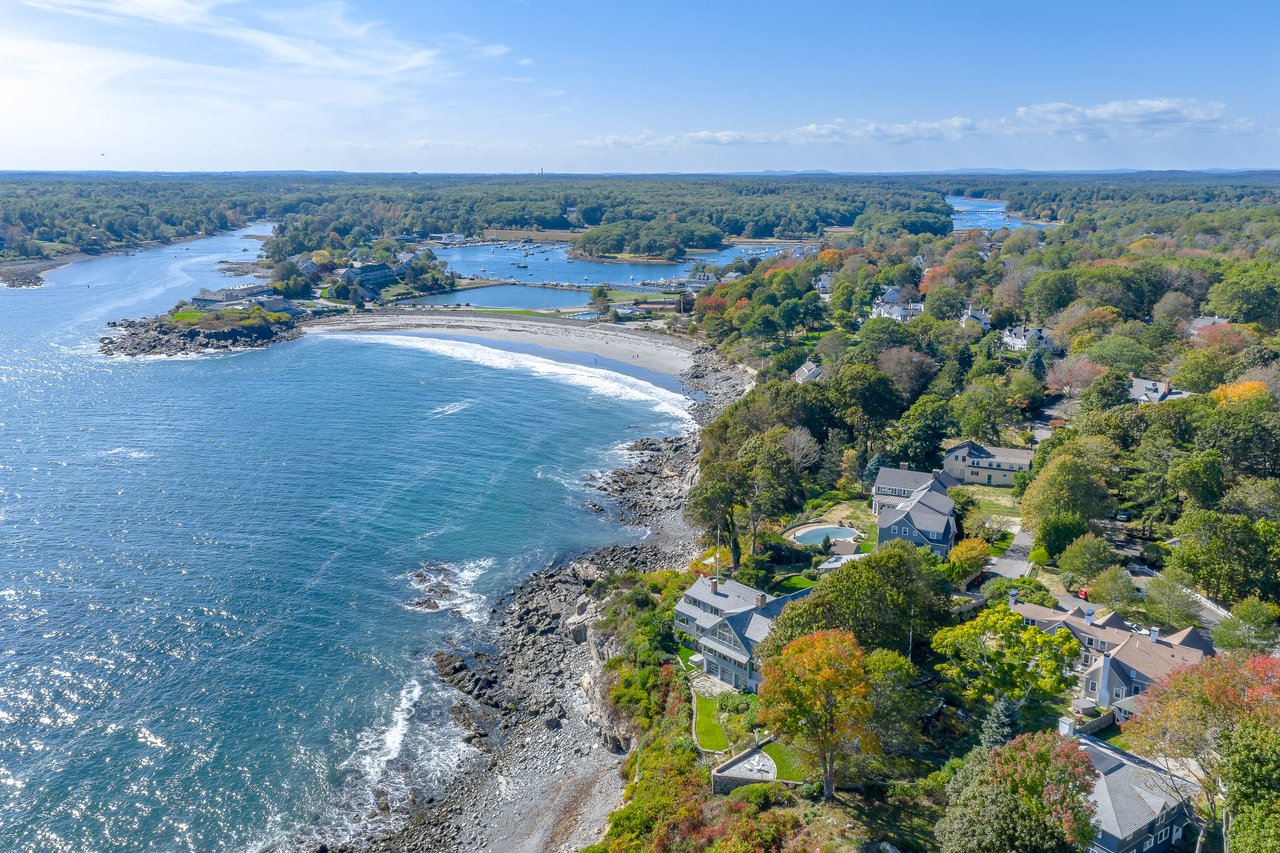
Why does one York Harbor waterfront home command a premium while a similar-looking property sells for much less? If you are buying or selling in York Harbor, those differences can feel confusing. The good news is that waterfront prices make sense once you know what to look for. In this guide, you will learn the key value drivers, how to verify them, and how timing affects your results. Let’s dive in.
The market backbone: supply and seasonality
York Harbor is a small, highly desired harbor with limited waterfront inventory. Prices reflect recent sales and the small pool of available homes. For the clearest read on value, use local sources such as Maine Listings (the MLS), the Maine Association of Realtors, and Town of York assessing and sales records.
Seasonality matters in a coastal market. Buyer activity typically rises in spring and summer, which can increase competition. Reviewing month-by-month MLS data helps you decide when to list or when to negotiate.
Location on the water
View quality and view corridor
Unobstructed harbor and ocean vistas carry a premium. Elevation, distance to the shore, and the width of your view corridor shape what you see and how often your view changes. In a compact harbor, vegetation and neighboring structures can alter sightlines, so recorded view easements and local rules help protect long-term value.
Harbor vs. ocean vs. river frontage
Not all waterfront is equal. Direct harbor frontage with navigable, deeper water usually prices higher than narrow tidal rivers or marsh edges. Sheltered coves can be prized for quiet and aesthetics, while open-ocean exposure can trade on drama and horizon views.
Beach access and pathways
Direct frontage on a beach or immediate walking access to local beaches such as Short Sands or Long Sands can add value. Deeded beach rights or private paths are meaningful. Shared or public access still helps, though premiums are usually smaller.
Access for boats
Dock rights and on-site structures
Private fixed docks, floating docks, or deeded pier rights often boost value, especially for active boaters. Condition, permitting status, and water depth at a range of tides are critical. A newer, well-permitted dock in good repair can be a major differentiator.
Moorings and waitlists
If a property relies on a municipal mooring, check the Town of York Harbormaster for permit status and waitlist length. A long waitlist can reduce near-term utility for boaters. Clear, transferable mooring or docking access makes a property more attractive.
What to verify
- Ownership of the dock or pier and any shared agreements
- Permit history, maintenance records, and responsibilities
- Navigable depth at typical tides and seasonal rules from the Harbormaster
Risk, elevation, and insurance
Flood zones and elevation
FEMA flood zones and a property’s elevation relative to base flood elevation affect insurance costs and financing. Homes on higher ground with the same view usually command higher prices because risk and premiums are lower. An elevation certificate can clarify risk and support better insurance options.
Coastal erosion and shoreline stability
Shoreline conditions influence long-term ownership costs. Consult local elevation data and coastal studies to understand erosion risk and historical shoreline change. Buyers often price in expected seawall, bulkhead, or shoreline work.
Insurance and financing impact
Higher flood risk can narrow the buyer pool and influence lender terms. It can also raise premiums, which affects the total cost of ownership. Shopping both NFIP and private carriers can help, but homes elevated above risk thresholds tend to fare better on price.
Property condition and lifestyle fit
Renovations and marine systems
Interior updates matter, but on the water, marine infrastructure is just as important. Bulkheads, pilings, seawalls, and dock hardware must be in solid condition. Typical due diligence includes a general home inspection, septic evaluation if applicable, and a marine specialist review for docks and shoreline structures.
Lot size, privacy, and landscaping
Larger lots and thoughtful coastal landscaping can enhance privacy and reduce erosion. Close setbacks and neighboring structures can diminish the waterfront experience. Buyers pay attention to how outdoor areas live day to day.
Utilities and septic or sewer
Septic capacity can limit bedroom count or expansion. Up-to-date septic certification and clarity on capacity support value and marketability. Availability of municipal sewer, where present, can simplify ownership.
Historic character and rules
York Harbor has a rich architectural legacy, from shingle-style cottages to historic inns converted to residences. Historic properties can sell at a premium for character and story. Keep in mind that design review or preservation rules may guide exterior changes and renovation scope.
How comps work for York Harbor waterfront
Use true apples-to-apples comps
Waterfront comparisons must match water type, dock or mooring access, view quality, tidal usability, and flood exposure. In a small market, a single feature can swing price. For example, two houses can be the same size, yet one with a private dock, broad harbor view, and higher elevation can be worth substantially more than another with a partial view, mooring reliance, and a higher-risk flood zone.
Adjustment checklist
Use this quick list when you review recent sales:
- Waterfront type and navigability
- Dock rights: private, shared, leased, or mooring only
- View quality: unobstructed, partial, or obstructed
- Elevation, flood zone, and elevation certificate status
- Building condition, size, and bed/bath count
- Lot size, privacy, and coastal landscaping
- Historic protections or restrictions
- Recent marine infrastructure work and permits
- Timing of sale and seasonal market momentum
A simple buyer or seller scorecard
Assign a 1–5 rating to each factor below, then compare across properties:
- View and orientation
- Dock or mooring status
- Elevation and flood risk
- Condition and recent updates
- Lot privacy and outdoor living
- Regulatory constraints
Timing your move in York Harbor
Spring and summer bring more buyers and often stronger pricing. Fall can offer motivated buyers and focused negotiations. Review 6 to 12 months of waterfront sales from Maine Listings and Town of York records to align your timing with market rhythm.
Your next steps in York Harbor
If you are evaluating a specific property, start with the essentials. Pull recent waterfront comps from Maine Listings. Verify frontage type, dock or mooring rights with the Town of York Harbormaster, flood zone and elevation through FEMA resources, and lot and building details through the Town Assessor and the York County Registry of Deeds. Confirm permit history and recent marine work before you set price expectations.
You do not have to sort this out alone. As Southern Maine Waterfront Specialists, we pair local knowledge with careful verification so you can move forward with confidence. If you are selling, we will present a data-informed valuation and elevate your listing story. If you are buying, we will analyze each value driver and negotiate with clarity.
Ready to talk about your York Harbor property? Connect with Great Seacoast Homes to Request a Personalized Home Valuation.
FAQs
Why are York Harbor waterfront prices so different?
- Prices vary due to view quality, dock or mooring rights, elevation and flood risk, and property condition. Each factor changes utility, costs, and demand.
Does a private dock always increase value in York Harbor?
- Generally yes, but value depends on condition, water depth at various tides, and clear permitting or ownership. Deeded, well-maintained docks tend to command premiums.
How much does flood risk affect price and financing?
- Flood risk influences insurance premiums and lender terms. Homes above key elevation thresholds are easier to insure and finance, which supports higher pricing.
How do I find comps when few waterfront homes sell?
- Expand your search to the same harbor and closely similar nearby shores, then adjust for dock access, view, exposure, and flood risk. Verify rights and restrictions in public records.
What ongoing costs should I plan for with a waterfront home?
- Budget for shoreline and dock maintenance, potential seawall or bulkhead work, higher insurance, and periodic marine hardware replacement, along with routine home upkeep.