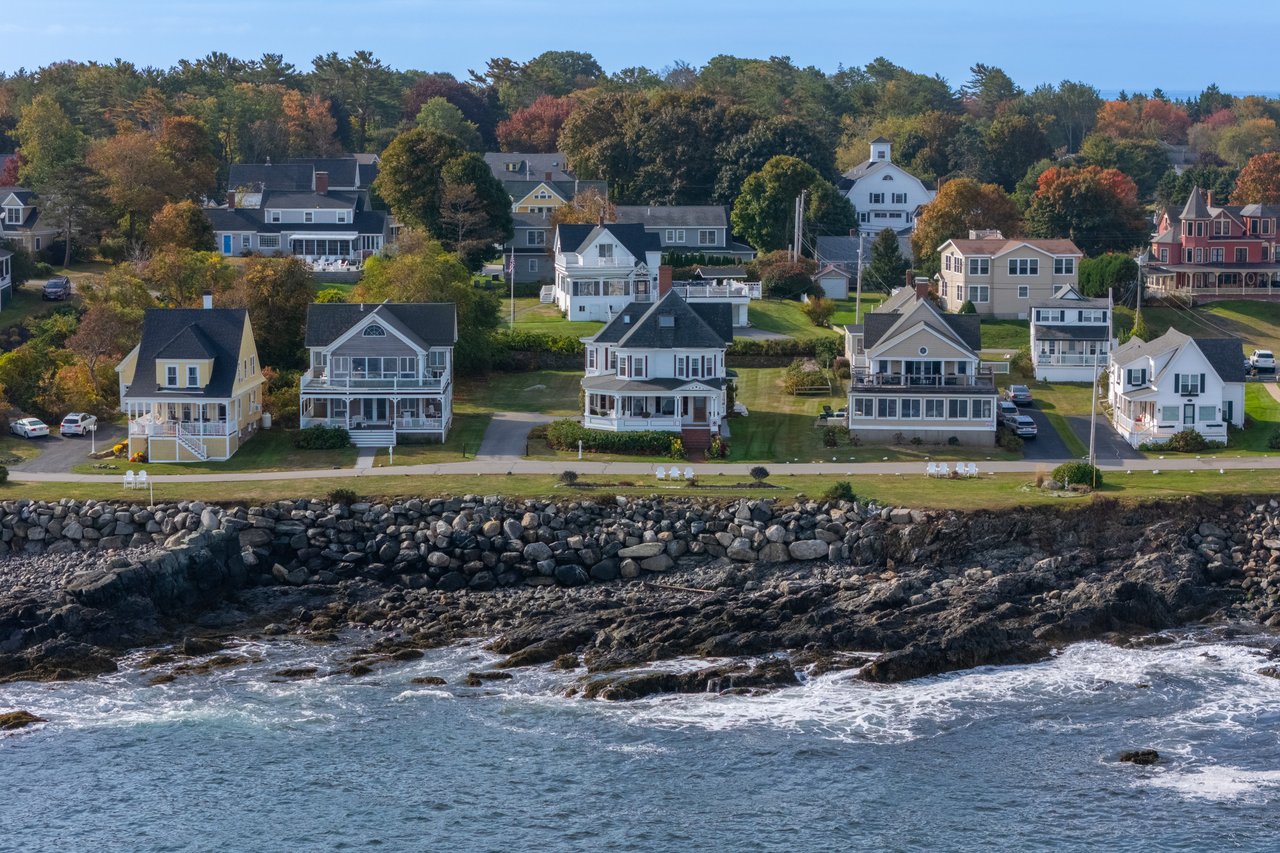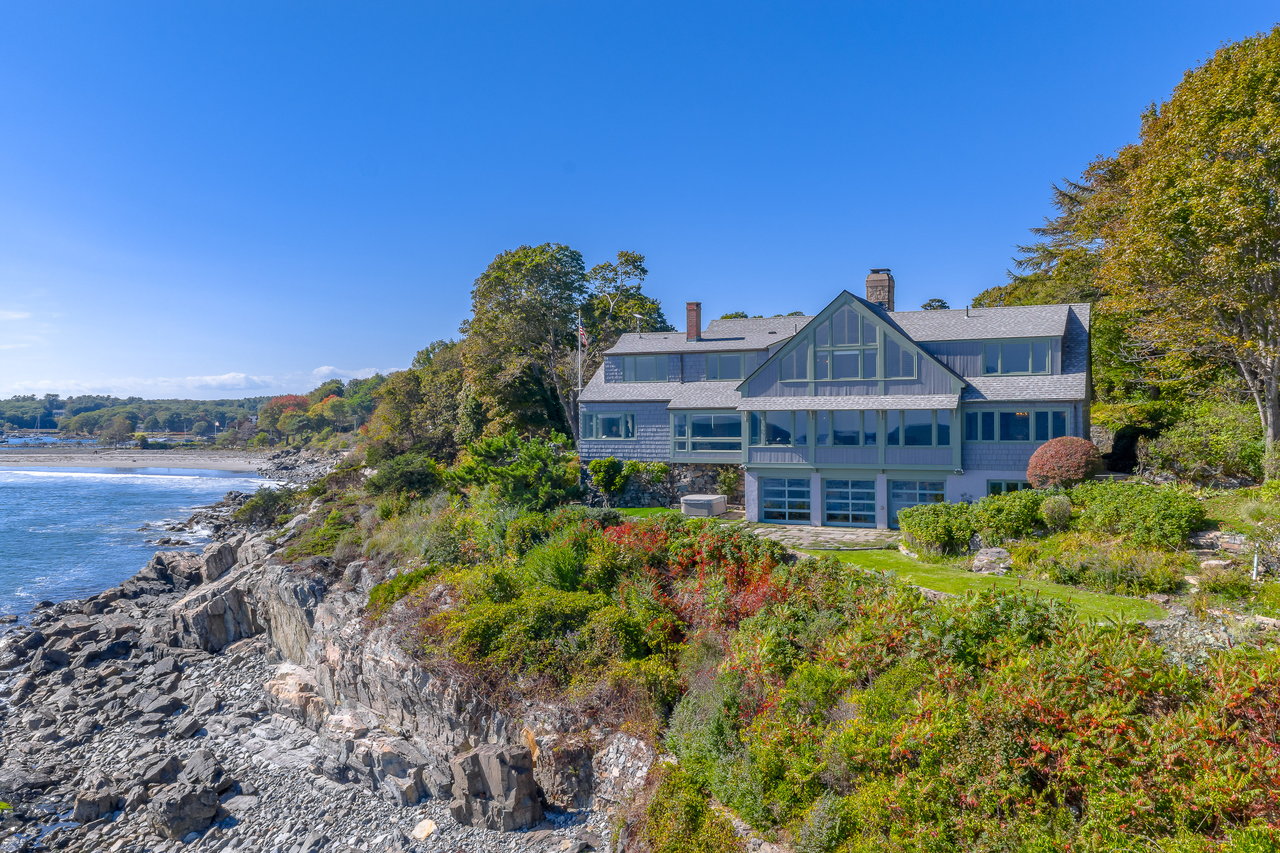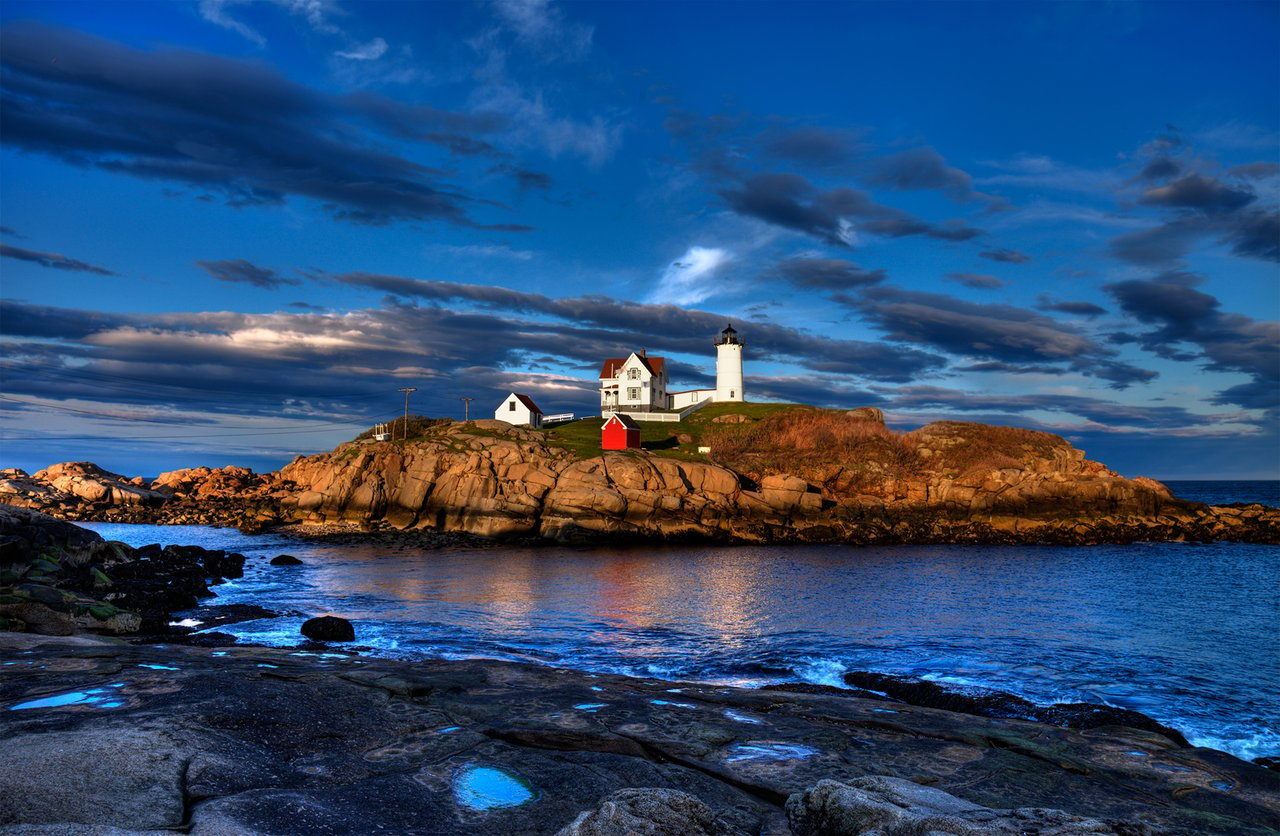
Walk to the traffic circle at York Harbor Beach on any morning this summer and you'll still find the same sign that's been there since the winter of 2024: a hand-lettered warning about trail damage, a length of yellow tape sagging between two posts, and beyond it, a half-mile stretch of coastline that most people in York Harbor have simply stopped trying to use. The Cliff Walk has been closed longer than some residents have owned their current homes.
The story most people tell about why is simple: a bad storm broke it, and the town has been slow to fix it. That story isn't wrong, exactly. It's just missing the part that actually explains why the wait has stretched past two years, and that part has almost nothing to do with money.
The Storm Everyone Remembers
The damage traces back to a specific night: the record high tide and storm surge that hit the Maine coast in January 2024. Engineers who later inspected the site found the flooding had washed out much of the bedrock supporting the trail. The trail has been closed since that spring, and it has stayed behind caution tape ever since, through more than two full seasons of tourists asking locals why the most photographed walk in town is off limits.
In 2025, York voters agreed to fund something less dramatic than a rebuild: a full stability assessment, conducted by a science and engineering firm the town brought in to map exactly how bad the damage was. That assessment reached the Selectboard in May 2026, and the numbers were worse than expected.
Emergency Management Director Nicole Pestana told the board that more than 300 feet of the cliff walk is unsafe, with 179 feet marginal and 308 feet completely washed away. Add those together and you get 487 feet of documented failure along a trail that most trail guides and the town's own signage put at roughly half a mile, or 2,640 feet. That means less than a fifth of the physical path is actually compromised. Four-fifths of the Cliff Walk is sitting behind the same closure signage as the section that's genuinely dangerous.
That gap between how much of the trail is broken and how much of the trail is closed is the first clue that this isn't purely an engineering problem.
Why the Old Fixes Kept Failing
Pestana had an explanation for why previous repairs never held. Describing how the trail had been patched after past washouts, she put it this way:
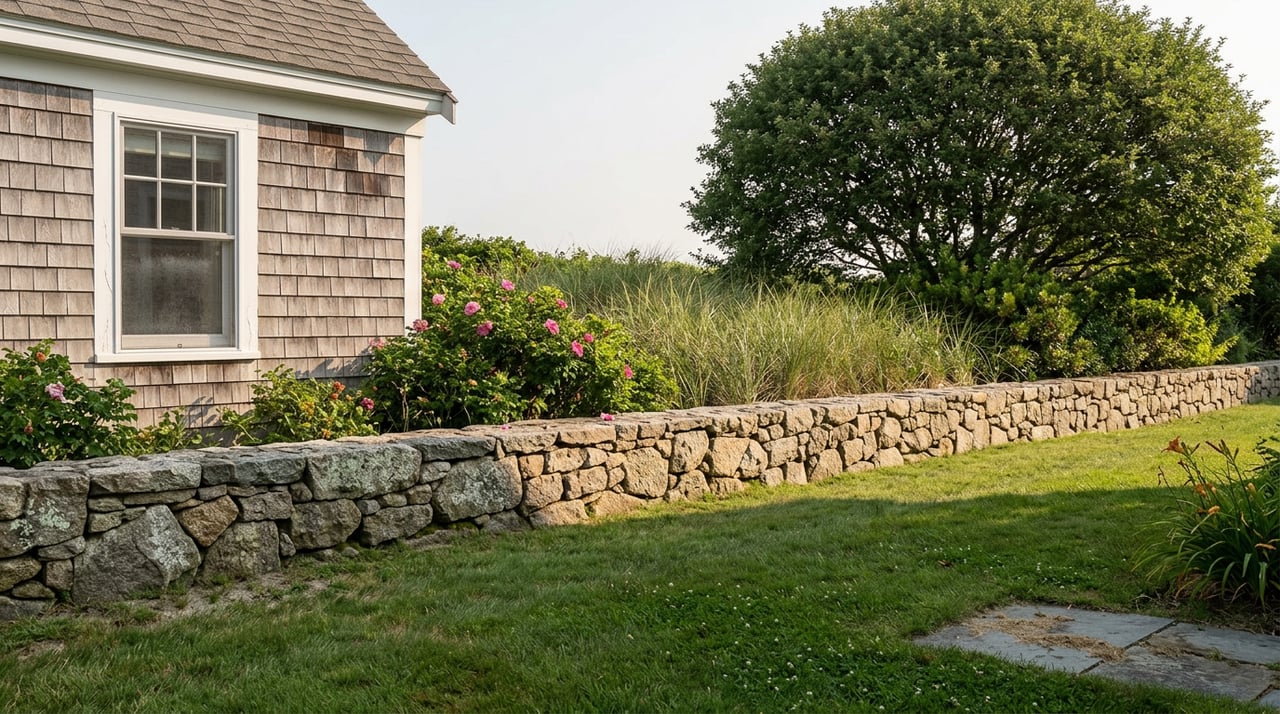
"The way that wall was built, when it was built, is the retaining walls and the pathways are more like a landscaping retaining wall in someone's backyard."
The cliff walk had been reconstructed after washouts using the same method for years, relying on soil to hold the trail together. Moving water could work its way through the stones and knock them loose again, washing the fix away along with the trail. In other words, York had been maintaining a public coastal trail with the engineering standards of a backyard retaining wall, and the method held together only until the water found its way through the stones once more. The stability assessment wasn't just documenting damage from one storm. It was documenting the accumulated failure of a repair method that was never built to survive the coast it sits on.
The Real Bottleneck Isn't the Budget
Here's where the story gets more interesting than "the town needs to find the money." Most of the Cliff Walk actually sits on private property, included in some deeds but not others, and property owners have collaborated with the town in the past by providing private foot traffic data recorded in their deeds. A genuine, durable rebuild likely means the town needs construction easements from the same private landowners whose backyards the trail cuts through. The town hasn't yet approached anyone whose property abuts the walk about construction easements, though Pestana said that's a possibility, noting it's ultimately up to the property owners whether they want to make those agreements.
That's a very different kind of obstacle than a line item in a budget. You can vote to fund a repair. You can't vote a private landowner into granting an easement.
Money isn't entirely beside the point, though, and the way it's structured adds its own friction. Because FEMA determined the original damage was part of a federally recognized disaster, York expects to eventually be reimbursed, but FEMA has a Large Project Threshold sitting at just over $1 million: projects estimated under that threshold have a better chance of receiving funding as restoration happens, while projects over it have to wait until completion. The engineers' early estimate for a proper rebuild lands right around that same $1 million mark, which means the town could be choosing between a cheaper, faster fix that gets reimbursed sooner and a fuller repair that might not see federal dollars until the whole thing is finished. That's not a detail buried in a spreadsheet. It's a real incentive shaping which version of the Cliff Walk York actually rebuilds.
What's Next, and When
As of the May 2026 meeting, there was no predicted timeline for the project, though the Selectboard meets twice a month and was expected to have a clearer sense of direction by the end of August 2026. That's this month. If you've been waiting for actual news rather than another round of engineering language, the next few Selectboard agendas are where it's most likely to show up.
Todd Frederick, who chairs the board, summed up why the town keeps circling back to this despite the complications: "It's near and dear to many folks in town and visitors alike. It's part of the fabric of York." It's also, as it turns out, one of Maine's oldest trails, walked long before Maine was a state, which may be part of why nobody on the board seems eager to settle for the same kind of patch that has failed before.
Where the Neighborhood Is Walking Instead
None of this means York Harbor has gone quiet. The routes that start at the same beach circle as the Cliff Walk are busier than ever, and they don't require stepping past caution tape.
- Fisherman's Walk. The full loop from York Harbor Beach out and back runs about 1.7 miles, and the flat sections along the harbor are wheelchair accessible, which the Cliff Walk itself has never been. It passes in front of the old sea captains' homes along the water before turning inland.
- Wiggly Bridge. A small wooden suspension bridge dating to the 1930s, built where Barrell's Millpond Dam has held back Meeting House Creek since 1727. It crosses at the exact spot where Fisherman's Walk meets the York River, and it's the kind of landmark you point out to guests without needing to explain it twice.
- Steedman Woods. Just across the bridge, a small wooded loop with unmarked but easy trails. There's no parking directly at the woods, so most people walk in from Hartley Mason Reservation or the Route 1A lanes nearby.
- Hartley Mason Reservation. The park sits directly across from the York Harbor Inn and doubles as the Cliff Walk's official (if currently unusable) starting point. It's still worth the stop on its own, with benches facing the harbor and enough green space for a blanket on a clear afternoon.
Together these routes cover more ground than the Cliff Walk ever did, and they're not going anywhere while the town works out easements and engineering standards that go back decades.
The Real Takeaway
The Cliff Walk isn't closed because York can't find a million dollars, and it isn't closed because nobody on the Selectboard cares. It's closed because the town spent decades treating a public trail like a backyard project, because most of that trail sits on land it doesn't fully control, and because the federal reimbursement rules reward speed over durability in a way that cuts against the fix everyone actually wants. If you want to know when the Cliff Walk reopens, the number to watch isn't a budget figure. It's whether the town starts having conversations with the property owners whose land the repaired wall would need to sit on.
That's the kind of detail about a place you only pick up by paying attention to it over time, which is more or less what we do at Great Seacoast Homes when we're not out photographing waterfront listings. If you're weighing a move to York Harbor, or you already call it home and you're curious what your property is worth in a market that keeps surprising people, request a personalized home valuation and we'll walk you through it, no caution tape required.